Your Characters Are Talking Too Much.
Segun Iwasanmi@iwasanmisegun212159
1 month ago
© Segun Iwasanmi
✍️✍️✍️
I once sat down to watch a Christian movie that looked promising. The cast was small, maybe four major characters, one or two extras. I believe the producers did so to enable us focus deeply on the story. But after a while I noticed something strange. Everybody sounded like they had just stepped down from a pulpit. A man would ask "How are you?" and the reply would come like the opening prayer of a crusade.
A mother would advise her son and somehow it sounded like she was preaching at a ministers' conference 😀. Nobody spoke like people, everybody was speaking like a microphone.
I am not against that tone o. Anybody who knows me knows I can switch into preaching mode without notice. But stories and sermons are cousins, not twins. One teaches directly. The other lets you discover. That was why I couldn't finish the movie, the message was actually good, but because nobody felt human enough for me to believe them.
And the moment a viewer stops believing your characters, the sermon hidden inside the story loses its power too, because nobody receives truth from a person they don't believe is real.
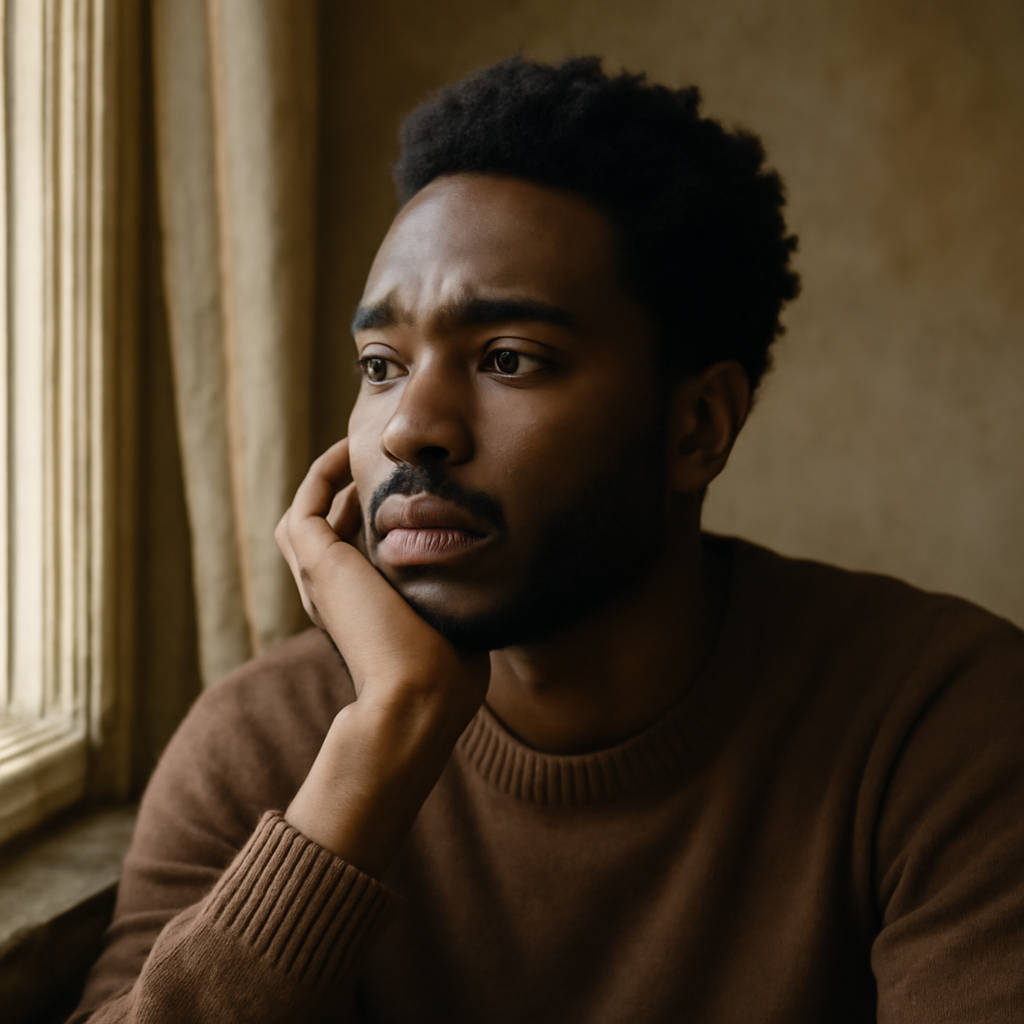
One thing I have learnt from studying stories closely is that people rarely say everything they feel. Sometimes a wife is angry and simply arranges plates louder than necessary. Sometimes a son answers "Nothing" when everybody in the room knows something is wrong. Sometimes the most painful reply is no reply at all. That silence is dialogue too, and it is often the loudest line in the whole scene.
The audience pays attention not because characters are talking, but because something is happening beneath the talking, something the words are only hinting at.
Whenever a script lands in front of me, this is one of the first things I sit and listen for. Are these characters speaking the way actual humans would speak in this exact moment, or are they speaking because the writer needs them to explain the plot to the audience. Those are two completely different conversations, and the gap between them is usually where a script either comes alive on screen or dies quietly in rehearsal.
Catching that gap early, before cameras start rolling and money starts moving, is some of the most valuable work that happens before a single scene is shot.
Somewhere right now there is a script with a powerful story hiding behind a crowd of people who simply refuse to stop talking.
Follow for more tips.. 🔥
© Segun Iwasanmi | ™The Man With The Story.
Book Writer | Screen and Scriptwriter | Creative Fiction writer | Book Editor.
I help people turn rough ideas into bold stories that work


































































12 days ago
12 days ago