Early beauty standards in South Africa
Beauty Stories@beautystories
7 months ago
Early beauty standards in South Africa, like the continent itself, were profoundly diverse, reflecting the distinct cultures, environments, and worldviews of its many indigenous groups—from the Khoisan peoples of the Cape to the Nguni (Zulu, Xhosa, Swazi, Ndebele) and Sotho-Tswana societies of the east and interior.
Beauty was a holistic concept, deeply embedded in social structure, spiritual life, and survival. It was an active state of being, achieved through ritual, craftsmanship, and adherence to cultural codes.
---
Core Philosophical Foundations
1. Social Identity & Status: Hairstyles, adornments, and body modifications were a primary language. They instantly communicated one's age group, marital status, wealth, royal lineage, or initiation into adulthood.
2. Spiritual Health & Protection: Beauty was linked to spiritual well-being. Adornments were often apotropaic—warding off evil spirits or attracting ancestral favor. The state of one's body reflected harmony with the spiritual world.
3. Health, Fertility & Vitality: A strong, healthy body capable of labor, childbearing, and survival was the baseline of attractiveness. Smooth, cared-for skin and a robust physique were highly valued.
4. Skill & Patience: The artistry and time invested in creating elaborate hairstyles, beadwork, or garments were themselves admired as beautiful virtues.
---
Key Elements of Beauty & Adornment by Practice
1. Body Modification: The Permanent Canvas
· Circumcision & Initiation: For many Nguni and Sotho groups, male circumcision (Ulwaluko in Xhosa, Umkhwetha) was the definitive rite of passage from boyhood to manhood. The healed body itself became a symbol of beauty, discipline, and social maturity. Uncircumcised men were not considered fully adult or attractive marriage partners.
· Scarification (Cicatrization): Less common among the southern Nguni but practiced by some groups like the Ndebele and certain Sotho-Tswana communities. Patterns on the face, chest, or back denoted clan, status, or personal achievements.
· Dental Modification: The deliberate filing or removal of teeth, particularly among the Xhosa and some Zulu, was a widespread puberty ritual. The most common was the removal of the lower incisors or pointing the upper teeth. This was for beauty, identity, and in some beliefs, to allow feeding during lockjaw (tetanus).
2. The Elaborate Language of Hair
Hairstyles were perhaps the most dynamic signifier.
· Zulu: Married women covered their hair with a headdress (Isicholo), a tall, disk-shaped hat made of grass and fiber, signifying dignity and respect. Unmarried girls wore their hair short or in intricate braids. Young men in warrior regiments (amabutho) styled their hair distinctively, often in a ring (Isicoco) secured with beeswax.
· Xhosa: After initiation, young men (abakwetha) whitewashed their bodies and wore specific coverings. Women's hairstyles, often using ochre and fat, indicated life stages.
· Khoisan: Practiced intricate braiding and used animal fat mixed with ochre and aromatic herbs (like buchu) to style and scent their hair.
· General: Hair was dressed with animal fat, ochre, or plant butters to condition it, define styles, and add a characteristic sheen and scent.
3. Adornment: Beads, Metals, and Skins
· Beadwork: This was the pinnacle of artistic expression, especially for Nguni peoples. Before European contact, beads were made from shell, bone, ostrich eggshell, seeds, and copper. The arrival of glass trade beads in the 19th century revolutionized the craft. Colors and patterns formed a complex code. For example, in Zulu beadwork:
· White (Implombo): Symbolized love, purity, and spirituality.
· Black (Insingizi): Symbolized marriage, maturity, and reflection.
· Red (Ibokwe): Symbolized longing, passion, and blood.
· Blue (Luvandle): Symbolized faithfulness, promise, and the sky.
· Beaded aprons, necklaces, and headbands were given as courtship gifts, with messages woven into the designs.
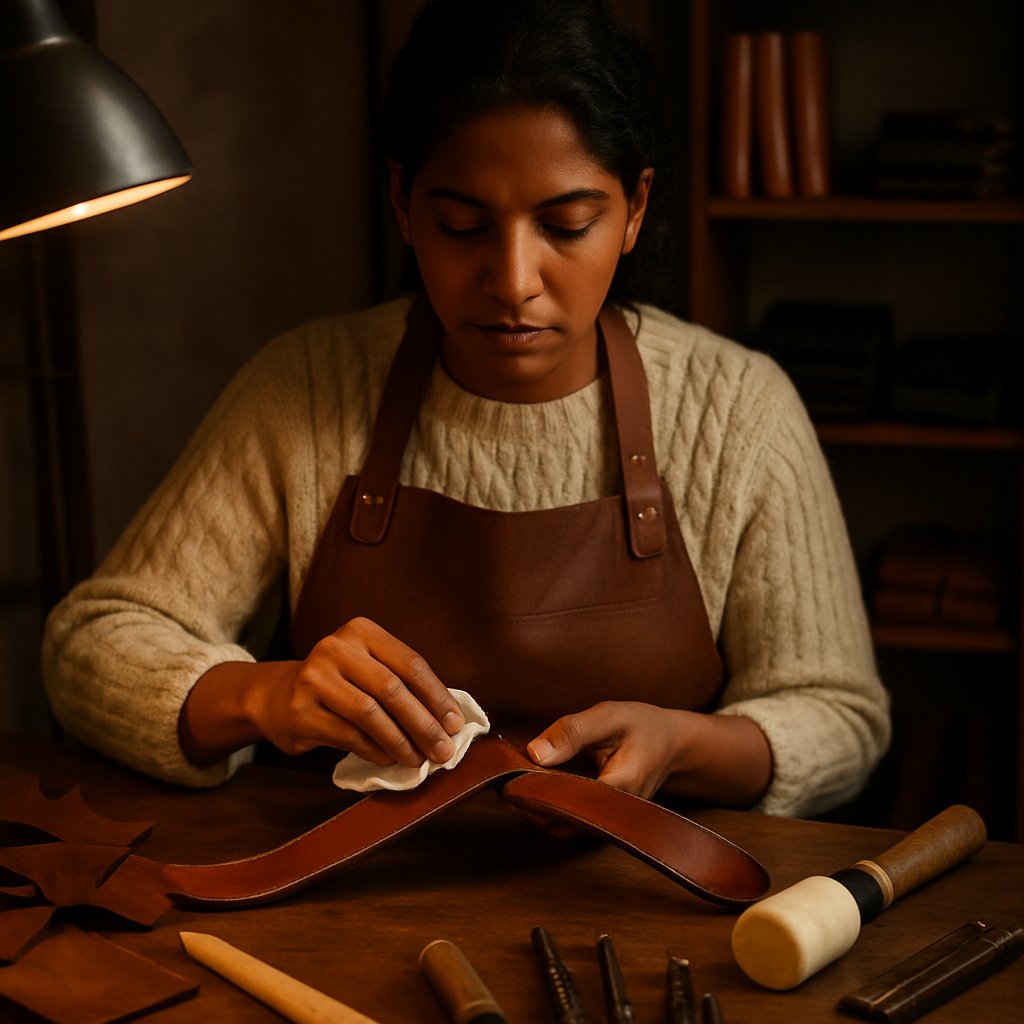
· Metals & Skins: Copper and brass rings were prized. The Ndebele are famous for their copper and brass neck rings (Idzila) and leg rings, worn by married women as symbols of fidelity and wealth. Well-prepared and decorated animal skins (karosses) were worn as garments, with the quality and pattern indicating status.
4. Skin Care and Pigmentation
· Ochre (Ibomvu/Isfusfu): The use of red and white ochre was ubiquitous but held different meanings. Red ochre, mixed with animal fat, was a universal skin protector (sunscreen, insect repellent), moisturizer, and cosmetic. For many, it symbolized blood, life force, earth, and connection to ancestors. It gave the skin a distinctive, glowing reddish hue that was the epitome of health and beauty. White ochre was often used for ceremonial purposes or by initiates.
· Cleansing & Scent: Regular washing in rivers and smudging the body with fragrant smoke from medicinal plants (impepho) was standard. Fats and oils kept the skin supple and lustrous.
---
Ethnic Group Highlights
· Khoisan (Khoe and San): Focused on functional, aromatic beauty. Extensive use of ochre and fat mixtures for skin and hair. Intricate leatherwork and ostrich eggshell bead jewelry. Body painting for ritual and storytelling.
· Zulu: Martial elegance and coded beadwork. Emphasis on regimental hairstyles for men and the dignified isicholo for married women. The body of a circumcised, disciplined warrior was the male ideal.
· Xhosa: Deeply tied to the Ulwaluko initiation ritual. Dental modification and the use of white clay by initiates. Women's beauty linked to stages of life marked through dress and adornment.
· Ndebele: Spectacular geometric mural painting transferred to the body. The iconic idzila neck rings, which elongated the neck, were a supreme marker of married women's beauty and cultural identity.
· Sotho-Tswana: Elaborate blanket cloaks (Seanamarena) became a key status symbol and item of beauty. Modesty and coverage were valued, with beauty expressed through the quality of the blanket and beadwork.
Colonial Impact & Modern Legacy
European colonization violently imposed Western beauty standards, denigrating indigenous practices as "savage" or "unclean." Missionaries forced people to cover their bodies, discard ochre, and cut their hair. This created deep psychological scars and a duality in beauty perceptions.
However, the Resilience Renaissance is powerful. Today, there is a vibrant reclamation:
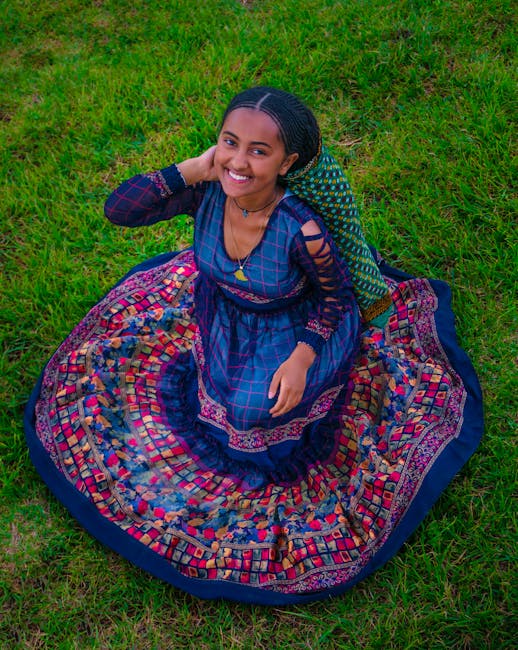
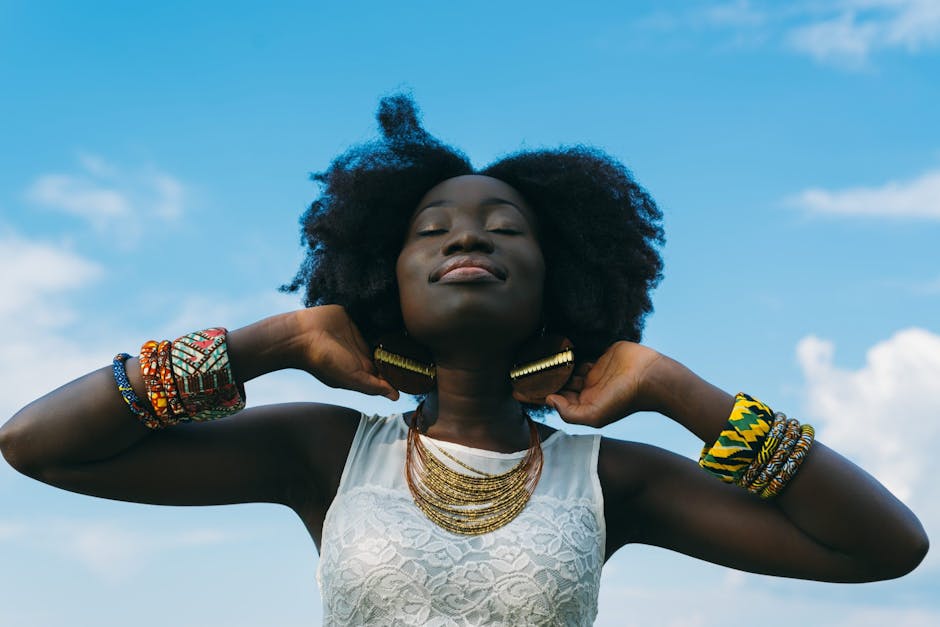
· Natural Hair Movement: Embracing traditional hairstyles like braids, locs, and afros.
· Ochre in Skincare: Modern brands incorporate indigenous ingredients like marula oil and rooibos.
· Beadwork in High Fashion: Designers like Laduma Ngxokolo (MaXhosa) globalize traditional beadwork patterns.
· Body Positivity: A move away from Eurocentric standards to celebrate diverse African body types and features.
In essence, early beauty in South Africa was a communal, spiritual, and highly symbolic system. The beautiful body was a prepared body—marked, adorned, oiled, and styled to speak a visual language of belonging, strength, and respect for ancestral tradition.