
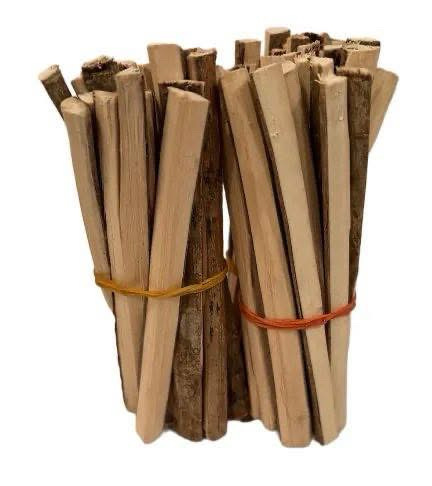
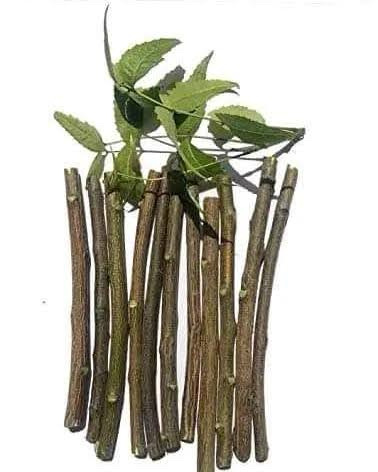
Chewing Stick (Pákò/Órín): Africa’s Original Toothbrush
Malik Olamilekan Adeboye@adeboyemalikolamilekan580166
25 days ago
Long before the arrival of Western influences brought the plastic toothbrush and fluoride toothpaste to African homes, the Yoruba people had already mastered the art of oral hygiene. Their tool of choice was the humble yet powerful chewing stick known as Pákò or Órín in the Yoruba language; a practice rooted not just in tradition, but in generations of careful observation of nature’s medicinal gifts.
Our African Traditions
It would be a mistake to view the chewing stick as primitive simply because it predates Pepsodent or Colgate. In truth, the Yoruba ancestors were practicing a sophisticated form of dental care long before modern oral hygiene products existed. They understood, through lived experience and ancestral wisdom, that certain trees carried properties capable of cleaning the teeth, strengthening the gums, freshening breath, and fighting infection. Science has since caught up, confirming that many of the trees used for chewing sticks contain powerful antimicrobial, anti-inflammatory, and antibacterial compounds.
What makes this practice even more remarkable is its diversity. The Yoruba are not a monolithic group, they are a rich complex of sub-ethnic communities, each with their own geographic landscape, ancestral knowledge, and preferred trees. This means that the chewing stick tradition is not one-size-fits-all; it is a living, localized science passed down through families and communities.
Regional varieties have it that every land has its own wisdom
Now, let’s take the Egba people of Abeokuta, for instance. Their oral hygiene toolkit draws from the Dogonyaro tree (also known as Neem, celebrated globally for its antibacterial properties), the Ewuro (bitter leaf), and a lesser-known but equally potent root called Ereku, which carries a flavour reminiscent of Aayan. Each of these choices reflects a deep familiarity with the local environment.
Similarly, communities in Ekiti, Ibadan, Ondo, Osun, and Lagos each have their own preferred species, selected over centuries of observation and use. This regional diversity is not a weakness, it is a strength. It shows that Yoruba oral health practice was adaptive, informed, and deeply tied to the natural world.
The most widely known chewing Sticks
While regional varieties abound, several chewing sticks are widely recognised and used across Yorubaland. These include:
Orín/Pako Ayán: one of the most popular and widely used, known for its pleasant taste and potent cleaning properties.
Orín Ata (Pepper tree stick) : valued for its sharp, stimulating flavour and its ability to fight bacteria in the mouth.
Orín/Pako Òrùn: another well-regarded variety with notable medicinal benefits.
Kànákàná: known among traditional healers for its oral health benefits.
Ìgbẹ̀rẹ̀: a variety popular in certain communities for its effectiveness.
Órín/Pákò Érekù: the root variety mentioned among the Egba, with a distinctive taste.
Orín Dogonyaro (Neem stick): perhaps the most scientifically validated of them all, with research backing its antibacterial and antifungal properties.
Orín Ewuro (Bitter leaf stick): bitter in taste but powerful in action, widely used and trusted.
The Irony of Development/Civilization on our culture and traditions
Here is a question worth sitting with: how did we arrive at a place where recommending a chewing stick to a child is met with the same reaction as suggesting something archaic or even absurd? Today, many parents and children would sooner reach for a branded toothbrush and toothpaste than consider a natural alternative that their great-grandparents trusted implicitly. Some young people have even joked that using pákò is “for goats” — a dismissal that reveals just how deeply colonial attitudes toward African practices have taken root in our collective self-perception.
The truth is that the toothbrush and toothpaste are not inherently superior; they are simply more aggressively marketed. Meanwhile, studies on chewing sticks — particularly Neem have demonstrated superior results in reducing plaque and harmful oral bacteria. Nature, it seems, had already solved the problem through our ancestor’s discoveries.
Encouragements of Chewing stick (Pako)
There are at least three compelling reasons to revive the culture of the chewing stick, especially among younger generations.
The first is cultural preservation. Every time a tradition dies, a piece of identity goes with it. The chewing stick is not just a dental tool , it is a symbol of African ingenuity, a reminder that our ancestors were thoughtful, resourceful, and scientifically minded in their own right. Teaching children to use pákò is an act of cultural reclamation.
The second is good health promotion. Many commercial toothpastes contain chemicals — such as sodium lauryl sulphate, artificial sweeteners, and excessive fluoride — whose long-term effects are still debated. Chewing sticks, by contrast, are entirely natural. When used correctly, they clean between the teeth, stimulate the gums, and release beneficial compounds directly into the mouth with no synthetic additives.
The third is financial awareness and self-sufficiency. Chewing sticks can often be sourced locally, at little or no cost. Teaching children that nature provides solutions — and that they do not always need to buy what a commercial brand sells them — is a quiet but powerful lesson in financial independence and critical thinking.
A Call to Parents and Guardians
The responsibility for reviving this tradition rests largely with the adults. Parents and guardians have a unique opportunity to reintroduce the chewing stick not as a primitive relic, but as a proud heritage and a healthy choice. However, this does not mean abandoning modern dental care altogether, it means broadening our understanding of what “good oral hygiene” looks like.
Start small. Introduce your child to Orín/Pako Àyàn or Dogonyaro. Explain the history behind it. Make it a cultural moment, not a chore. In doing so, you will be giving them something far more valuable than clean teeth; you will be giving them a sense of who they are and where they come from.
Our ancestors were not waiting to be civilised. They were already thriving.
OLAMILEKAN: Yoruba Conservationist ⚡️ 🖊️ 📖
































3 days ago