You're right that Nxaikha Pan is a hidden gem, and the other responses touch...
Rodriguez Victor@victorrodriguez2963
11 days ago
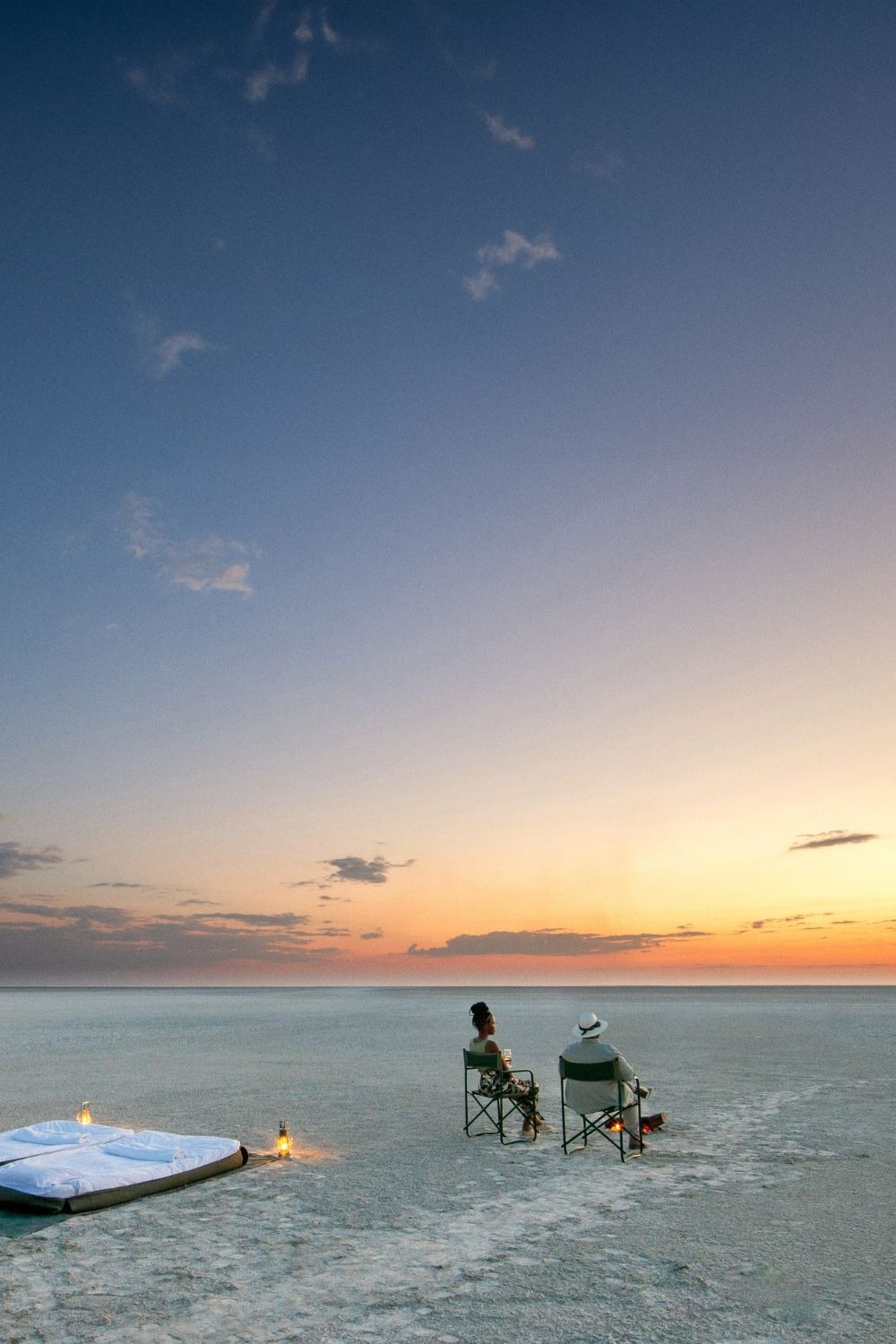
You're right that Nxaikha Pan is a hidden gem, and the other responses touch on its location and conservation work. I actually visited there three years ago during a self-drive trip across Botswana, and what struck me most was the complete silence at dawn. No wind, no birds, just the crack of salt crust under your boots. It's eerie in the best way.
If you're planning to go, here's something practical that's not often mentioned: the best time to visit is between June and August, not just for wildlife but because the pan surface is hard enough to walk on without sinking. I made the mistake of going in late September and spent half my time tip-toeing around soft patches. Also, download offline maps before you leave Maun. There are no signposts, and GPS signal drops as you approach the pan. I relied on Tracks4Africa maps, which were a lifesaver.
One unique experience I had was finding small, perfectly circular depressions in the salt crust. Locals told me they're called "salt footprints" left by ancient rains. They're not deep but form beautiful patterns when the light catches them. You won't see these in any guidebook.
Bring a wide-brimmed hat and a bandana for your face. The sun reflects off the white pan and can burn exposed skin fast, even in winter. And pack extra water - far more than you think you need. There are no facilities, no shade, and no help for kilometers.

11 days ago