

Your Book Doesn't Need Everyone
Segun Iwasanmi@iwasanmisegun212159
3 months ago
© Iwasanmi Segun
✍️✍️✍️
This Morning, I watched two people argue over the same movie like their lives depended on it. One said it was the best thing he had seen all year, the other said he almost slept off before it ended.
The funny part is, both of them were right. The story reached one person and missed the other completely, there was difference in connection.
That thing happens in writing more than people realize. You sit down trying to make everybody happy, so you soften your words, remove the parts that feel too personal, add things you think people will like. In the end, the story becomes polite… and forgettable.
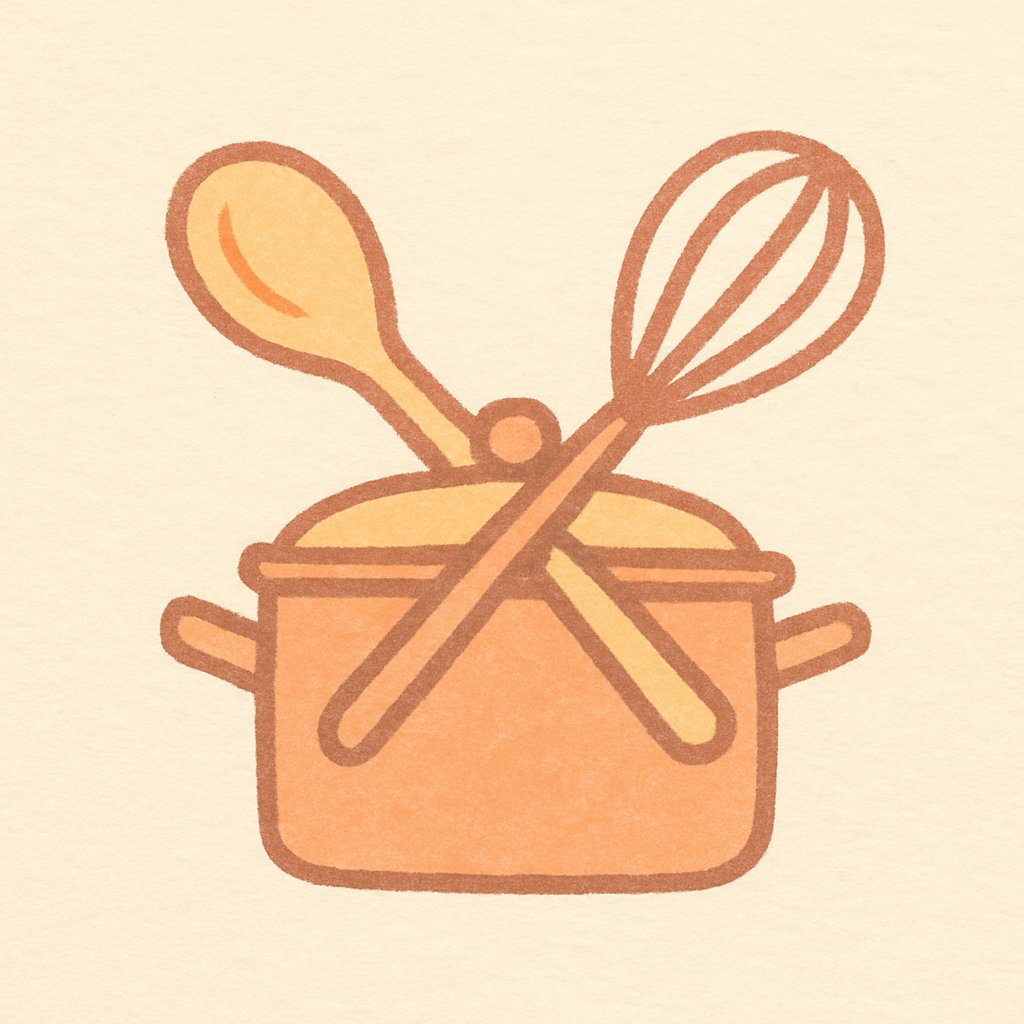
It's like cooking soup and adding every ingredient because you don't want anybody to complain. You put in crayfish, you add curry, you throw in thyme, maybe even some sugar because someone once said they like it sweet. At some point, even you won't know what you're tasting again. And the person eating it? They'll finish the whole bowl and not remember a single thing about it.
I used to do it too. I'd write something strong, then go back and start adjusting it for imaginary readers. "What if this part is too much?" "What if they don't get it?" Before long, the life inside the story would just calm down.
What changed things for me was realizing that the stories people hold onto are not the ones that tried to please them. It's the ones that felt like they were written directly to them, like someone finally said what they've been carrying quietly.
So now, when I'm working on a piece, it's not like I'm chasing everybody. I write as if to that one person the story is really about, the one that will read it and pause, maybe even read a line twice.
Strangely, that's when more people start connecting to it. It didn't feel forced on them, just honest enough to find its own people.
Some manuscripts I see are not weak at all, they're just stretched too thin, trying to cover too many people at once. And you can feel it immediately, like a voice that doesn't know who it's calling. When I sit with someone's story, the first thing I'm listening for is not grammar or structure. It's that original voice underneath all the second-guessing. Sometimes it's buried under three layers of "what will people think." We just have to dig it out together and remind it that it was right the first time.
The real question most writers don't ask themselves is simple, but it changes everything when you answer it properly. Who is this story actually for… and what happens if you stop trying to convince the rest?
If you've been sitting with a manuscript that feels like it lost something along the way, maybe it didn't lose it. Maybe it just needs the right person in the room to help it find its way back.
Follow for more tips.. 🔥
© Segun Iwasanmi | ™The Man With The Story.
Book Writer | Screen and Scriptwriter | Creative Fiction writer | Book Editor.
I help people turn rough ideas into bold stories that work


















































































12 days ago