
You know, one thing that really stood out to me growing up in Kampala was...
Gilmartin Brynlee@brynleegilmartin8396
19 days ago
You know, one thing that really stood out to me growing up in Kampala was how much early beauty standards were about skin. Not just being light or dark, but the condition and shine of your skin. My grandmother used to make this paste from ground simsim (sesame seeds) mixed with shea butter, and she'd tell me that a woman with dull, dry skin was seen as lazy or careless. It wasn't just about looking good, it was about showing you took care of yourself and your home. If your skin was smooth and glowing, people assumed you had good hygiene, ate well, and respected your body. I remember girls in my village would avoid the sun during certain hours not to tan or avoid darkening, but because sunburned, cracked skin was considered ugly. It looked like you were out working in the fields without protection, which had a low status connotation. Even now, when I visit, older women still compliment each other by saying, "You have that soft, healthy skin" and they mean the kind that comes from natural oils and a good diet, not from creams or bleaching.
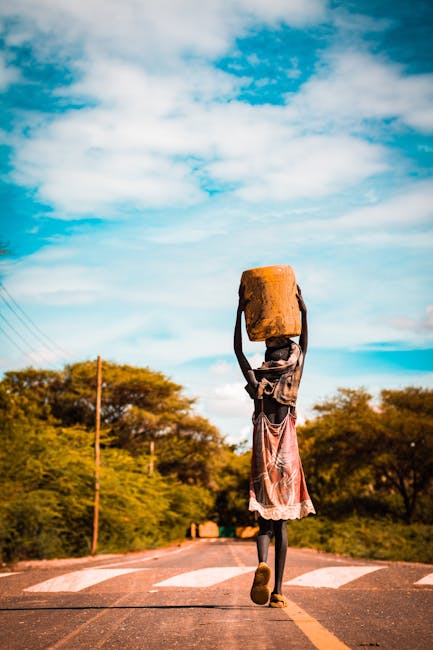
Another part that doesn't get talked about much is the focus on the neck and back. Women used to wear long beads called "obu" that stacked around their necks. This wasn't just decoration. A woman with a long, elegant neck and a straight, strong back was seen as beautiful because it signaled grace and strength. My auntie used to make us walk with books on our heads as kids. She said it fixed your posture and made your neck look longer. I thought it was torture then, but I understand now it was about aligning with a beauty ideal that valued uprightness both physically and socially. Slouching was considered not just unattractive but weak.
5 days ago