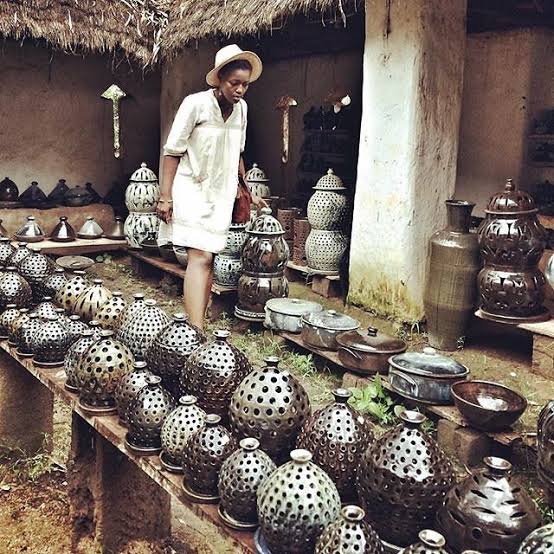
Uncover the rich cultural heritage of Nigeria at the Bwari Pottery Village, a hub of traditional creativity and craftsmanship.
History African@africanhistory
1 year ago
The Bwari Pottery Village is located in the Federal Capital Territory (FCT) of Nigeria, near the Nigerian Law School on Old Suleja Road in Bwari, this artisanal village is a cultural gem renowned for its rich tradition of pottery craftsmanship. It’s about a 45-minute to one-hour drive from central Abuja, making it an accessible day trip for those interested in Nigerian art and heritage.
Bwari Pottery Village is a hub of creativity, where skilled artisans, many of whom hail from Kano, have been practicing their craft for over two decades. The village is known for producing a wide range of ceramic products, from functional household items like pots, bowls, and plates to decorative pieces and artistic sculptures. The pottery process here is meticulous and traditional: clay, sourced from the Kaduna road for its unique properties, is mixed with water and another type of clay, left to evaporate for a week, and then shaped by expert hands. The artisans use traditional techniques, including foot-powered wheels and kilns, to create their pieces, which often feature a distinctive "Bwari blue" finish—a speckled navy with hues of white and grey, achieved using a blend of minerals like quartz, granite, and feldspar.
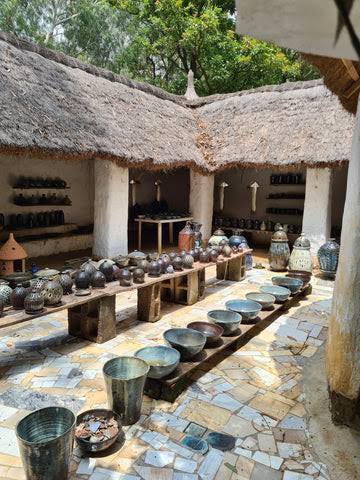
The village itself is a picturesque enclave, with single-story banco structures, white-painted walls, and straw roofs, giving it the charm of a small country hamlet. It was established by Stephen Mhya, with contributions from Michael O'Brien, and has grown into a significant cultural and economic center. Beyond its artistic output, the village plays a vital role in the local economy by providing employment for artisans and supporting ancillary businesses like retail and hospitality. It also attracts tourists, researchers, and art enthusiasts from Nigeria and abroad, offering them a chance to witness the pottery-making process, interact with artisans, and even participate in workshops to learn traditional techniques.
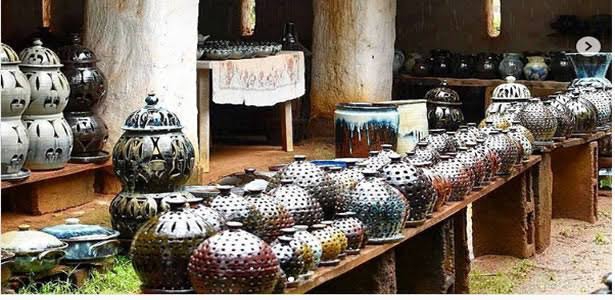
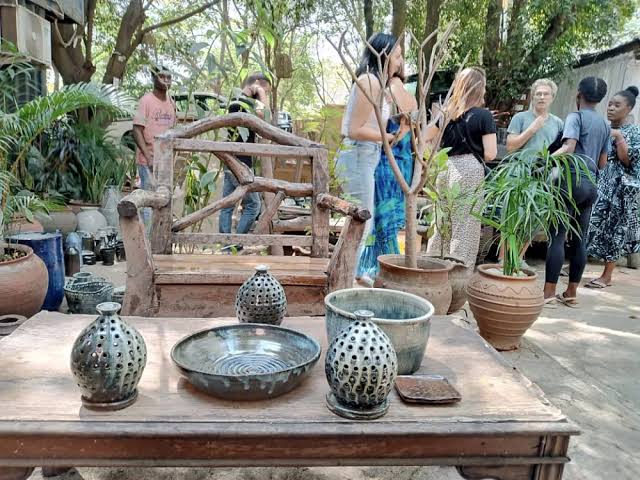
Visitors to Bwari Pottery Village can explore a showroom filled with beautifully crafted items, including mugs, vases, casseroles, and incense burners, available for purchase. The village operates daily from 8 AM to 6 PM (except Sundays, according to some sources), and it’s recommended to call ahead to confirm your visit or inquire about specific activities like furnace operations or painting demonstrations. The experience is immersive and educational, providing insight into Nigeria's cultural heritage and the Gbagyi tribe's historical connection to pottery, which dates back centuries and was once an essential part of daily life.
Bwari Pottery Village offers a unique opportunity to engage with traditional craftsmanship and take home authentic, locally made souvenirs. This could be a fascinating local cultural experience to explore.
#BwariPotteryVillage #NigerianCulture #TraditionalCraftsmanship #PotteryMaking #AbujaTourism #NigeriaTravel #WestAfrica #CulturalHeritage #ArtisanalVillage #HandmadeWithLove #NigerianArt #AfricanCulture #ClayArt #CeramicArt #PotteryLovers #TravelNigeria #ExploreAbuja
Photo Caption: Waka waka