Timeless Walls of Muhanga: Echoes of Rwanda’s Colonial and Religious Legacy
History African@africanhistory
1 year ago
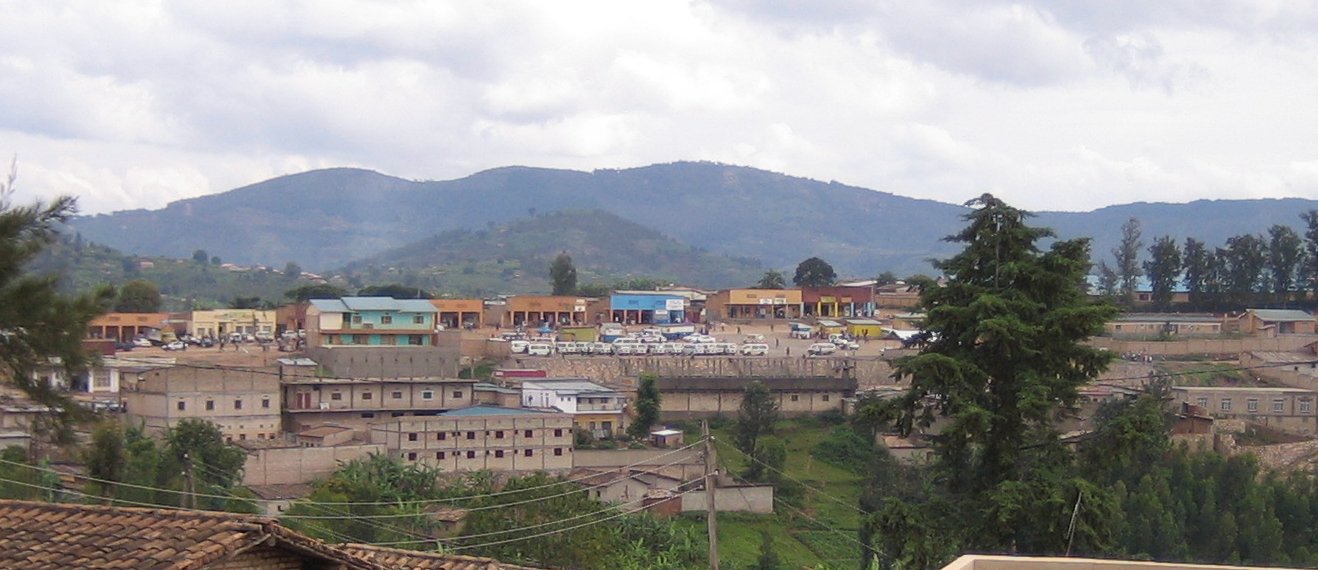
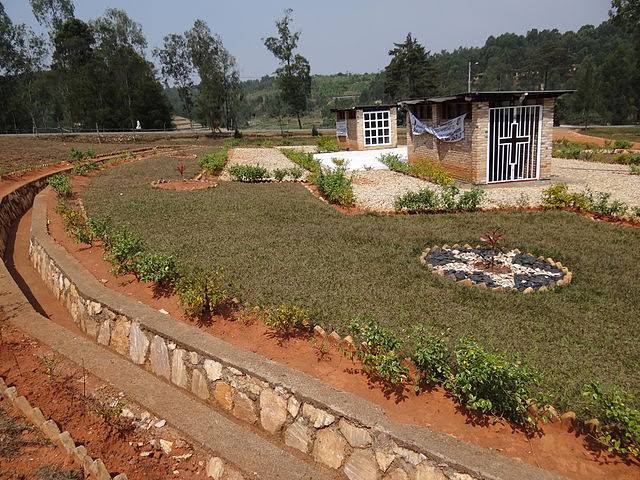
Muhanga District, formerly known as Gitarama, holds some of Rwanda’s most enduring colonial and ecclesiastical architecture—structures that narrate the evolution of governance, faith, and resilience in central Rwanda. Unlike modern skylines, these buildings remain grounded in stone, brick, and purpose.
1. Gitarama Colonial Administrative Buildings
Dating back to the Belgian colonial era, these administrative offices once governed vast territories. Their robust European design, complete with wide verandas and symmetrical facades, showcases how colonial power was physically embedded in the Rwandan landscape. While many are now repurposed for modern administration, the original architecture remains largely intact.
2. Kabgayi Mission Complex
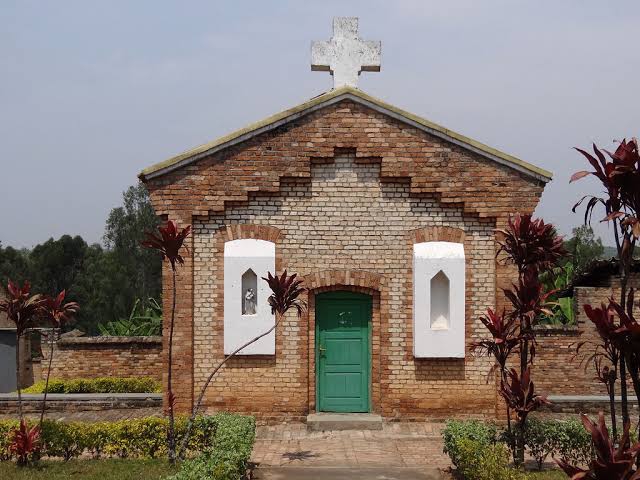
A short distance from Muhanga town is Kabgayi, one of Rwanda's earliest Catholic settlements. The Kabgayi Cathedral (built in 1925), its adjoining seminaries, schools, and old bishop’s house form a sprawling ecclesiastical compound. These buildings are key to understanding the role of religion in Rwanda’s socio-political history, especially during colonial and early post-independence times.
3. Former Courthouse and Prison Structures
In the heart of Muhanga lies an old brick courthouse—its age revealed by its weather-worn emblem of justice above the doorway. Nearby, remnants of an early 20th-century colonial prison still stand. These sites stir conversation about colonial law enforcement and justice practices that have long impacted local governance.
4. Kabgayi Press and Printing House (Imprimerie de Kabgayi)
This site is historically significant as one of the first printing presses in Rwanda. From here, early Kinyarwanda-language newspapers and religious texts were published, marking a turning point in Rwanda’s literacy and communication.
5. Old Missionary Quarters
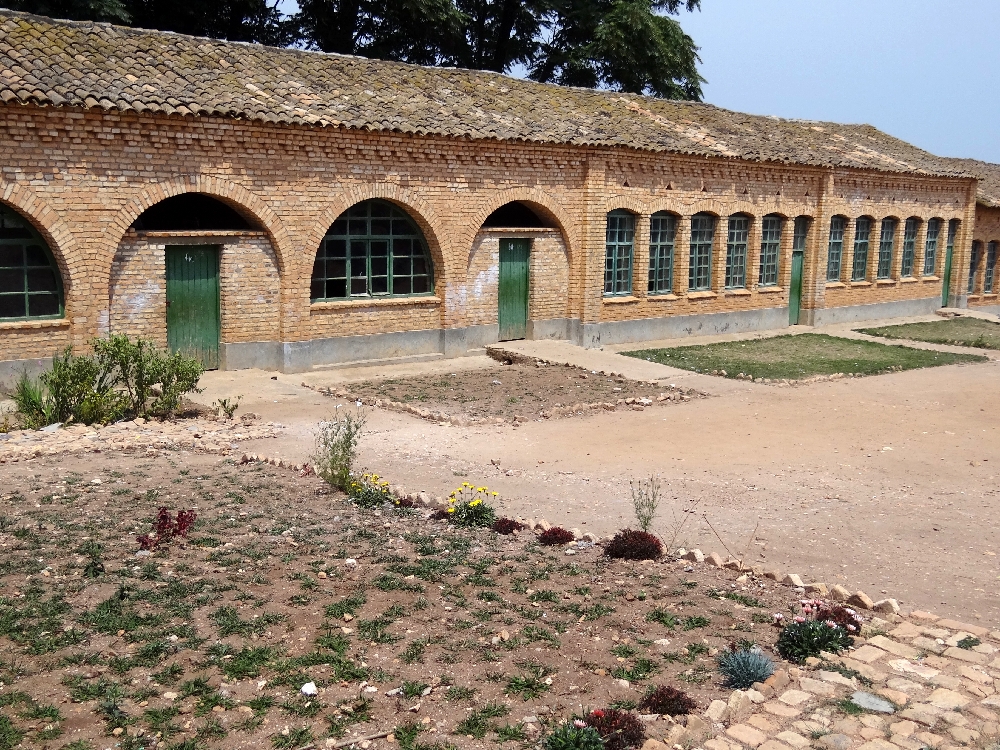
Behind the cathedral, a set of red-tiled mission houses reflect simple, functional Belgian designs. These homes hosted generations of clergy and educators and now serve as symbols of Rwanda’s educational beginnings under missionary leadership.
Visitor Tips
Most buildings can be visited with the help of local guides or through church-organized tours.
Respect is key when touring Kabgayi’s religious areas—dress modestly and ask before photographing interiors.
Combine your visit with a stop at the Kabgayi Genocide Memorial nearby for a deeper understanding of the region’s layered history.
Morning visits are best for exploring while the sun highlights the faded hues of stone and brickwork.
Documentarians and architecture lovers will find these sites perfect for storytelling through photos and interviews.
Muhanga’s historical architecture isn’t just a backdrop—it’s a silent narrator of Rwanda’s encounters with foreign rule, faith, and modernization. The stories are in the walls, if you’re ready to listen.
#MuhangaHistory #GitaramaColonialSites #KabgayiMission #RwandaHeritage #CatholicLegacyRwanda #HistoricalBuildings #ExploreMuhanga #ChurchArchitecture #RwandanHistory #KabgayiPress #ColonialArchitecture #VisitRwanda
Photo Credit: Wikimedia