The King Jaja of Opobo Memorial Site: A Testament to African Resilience
History African@africanhistory
1 year ago
The King Jaja of Opobo Memorial Site in Opobo, Rivers State, is a profound historical landmark dedicated to one of Nigeria’s most celebrated pre-colonial leaders, offering visitors a deep dive into the legacy of a man who rose from slavery to royalty and fiercely resisted colonial domination.
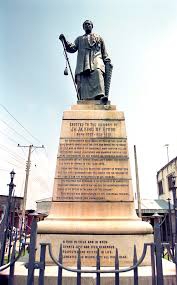
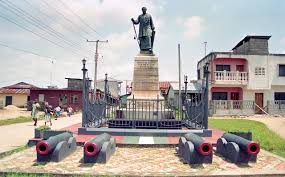
Visitors to this site will encounter a bronze monument, erected in 1903 through public subscription, standing as a tribute to King Jaja, who founded the Opobo Kingdom in 1869, with the statue positioned in the heart of Opobo town center, atop a grey granite plinth and encircled by cast iron railings, creating a dignified and solemn atmosphere, though the surrounding grass, described as close-growing with neatly-cut edges, may show signs of wear due to limited maintenance over the years.
The monument bears an inscription in English that reads, “A king in title and indeed. Always just and ever generous. Respected and revered in life. Lamented and mourned by all when dead,” serving as a poignant reminder of Jaja’s revered status among his people and his enduring legacy, and visitors can reflect on the words as they take in the statue’s imposing presence, which captures Jaja in regal attire, symbolizing his authority and vision. The site is not just a monument but a historical anchor, recognized by the National Commission for Museums and Monuments on August 14, 1959, as being of special architectural, historical, or cultural significance, offering a tangible connection to the story of a man who, born Mbanaso Ozurumba in 1821 in Igboland, was sold into slavery, rose to lead the Anna Pepple House in Bonny, and later established Opobo, transforming it into a dominant trading hub in the palm oil trade, outmaneuvering both local rivals and British traders.
Visitors may also learn, through local guides or signage, about Jaja’s remarkable resistance to British colonial encroachment, his strategic monopoly over the palm oil trade, and his eventual exile in 1887 to St. Vincent in the West Indies, followed by his death in 1891 while attempting to return home, a story that underscores themes of resilience, leadership, and the cost of defiance against imperial powers. The surrounding town of Opobo adds a vibrant cultural dimension to the visit, with its rich Ijaw heritage, traditional festivals, and historical ties to the palm oil trade, allowing visitors to immerse themselves in the living history of the area, and nearby, the Niger Delta’s scenic waterways and mangroves offer a natural backdrop, enhancing the experience with opportunities for eco-tourism, such as boat rides or walks along the waterfront, though visitors should be prepared for limited formal tourist infrastructure, as the area is not heavily commercialized.
Practically, the site is located in Opobo/Nkoro Local Government Area, accessible by road and water, with the journey from Port Harcourt taking about two hours, and while the roads are generally navigable, public transport may be crowded, making private arrangements preferable, and visitors should note that there are no major hotels or tourist facilities directly in Opobo, so planning a day trip or bringing supplies, especially water and snacks, is advisable, with local guides or community members often stepping in to provide oral histories and insights, enriching the experience, though formal guides may not always be available.
The site’s historical significance is further highlighted by recent efforts to immortalize Jaja, such as the federal government’s inauguration of a technical committee in 2024 to develop the King Jaja of Opobo Cultural and Historical Centre, suggesting potential future enhancements to the visitor experience, though as of now, the site remains a modest yet powerful monument, with its state of preservation reflecting broader challenges in maintaining Nigeria’s historical sites, adding a layer of philosophical intrigue about the nation’s commitment to its heritage.
Jaja has been described as a symbol of African resilience and economic self-determination, with his leadership, business acumen, and resistance to colonial exploitation continuing to be studied and celebrated, and visitors may find it thought-provoking to consider how Opobo, once a thriving economic powerhouse under Jaja, now exists as a quieter town, prompting reflection on the impacts of colonialism and the passage of time. In summary, a visit to the King Jaja of Opobo Memorial Site offers a blend of historical education, cultural immersion, and natural beauty, set against the backdrop of a town steeped in history and pride, making it a must-visit for those interested in Nigeria’s pre-colonial and colonial narratives, with the added resonance of standing in a place that honors a man who shaped history through sheer will and vision.
#KingJaja #Opobo #NigerianHistory #ColonialResistance #PalmOilTrade #CulturalHeritage #HistoricalMonument #IjawCulture #TravelNigeria #EcoTourism #AfricanResilience #RiversState
Photo Credit: Wiki Media