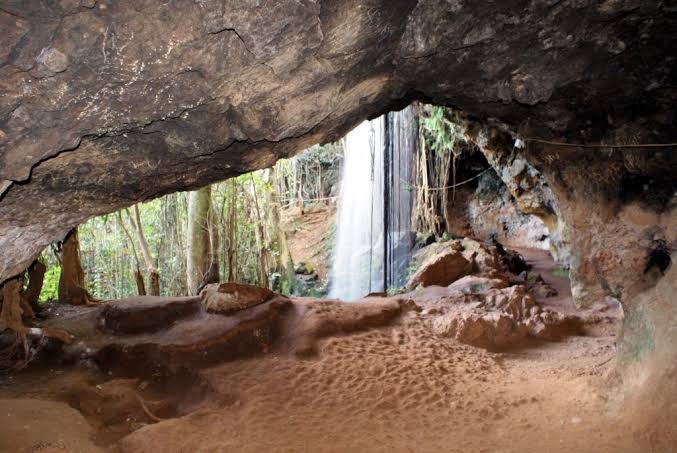
Mau Mau Caves – Echoes of Kenya’s Freedom Struggle
History African@africanhistory
1 year ago
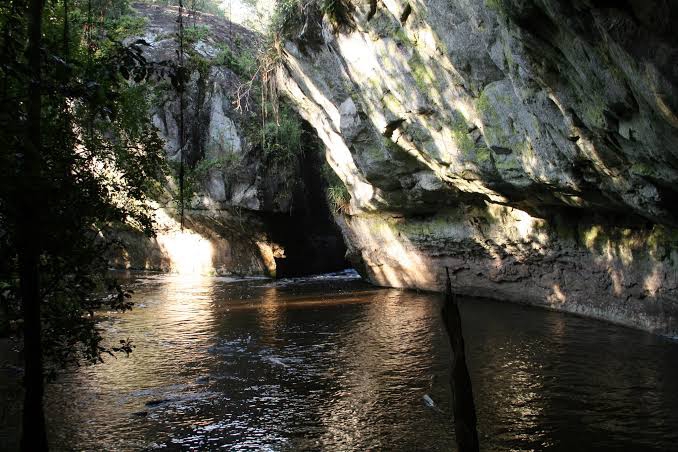
The Mau Mau Caves across Kenya offer powerful, tangible links to the country’s fight for freedom. Carved into the foothills of Mount Kenya, hidden in the misty Aberdare forest, and tucked beneath Nairobi’s leafy Oloolua Nature Trail, these caves served as supply depots, meeting points, and final refuges for Mau Mau fighters between 1952 and 1960. Today, they stand as national monuments—some gazetted by the Museums of Kenya—where visitors can trace the footsteps of freedom fighters, learn firsthand accounts, and appreciate the rugged landscapes that shaped Kenya’s path to independence.
History of the Caves
The most famous Mau Mau hide‑out is the Mau Mau Cave near Nanyuki, discovered by freedom fighters in 1953 shortly after the State of Emergency was declared . British forces bombarded it in 1959 after extracting its location, tragically killing around 200 people whose remains still lie among the rubble . In 2003, the site was officially gazetted by the Museums of Kenya as a national monument, ensuring its preservation for future generations .
Deep within Aberdare National Park, another network of Mau Mau Caves provided shelter amid waterfalls and dense forest cover. These caves functioned as operational bases where fighters stored arms and planned guerrilla actions against colonial forces .
Closer to the capital, Oloolua Cave in Nairobi’s Oloolua Nature Trail served as a smaller hide‑out; its single passage with bat guano–lined floor was ideal for clandestine meetings and storage .
Exploring Today
Mount Kenya Mau Mau Cave
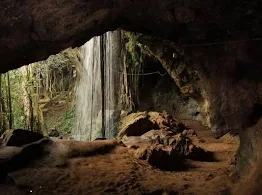
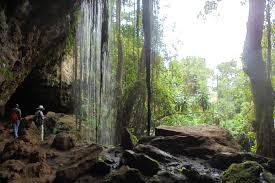
Accessed via a 9 km hike from Bantu Mountain Lodge near Nanyuki, the trail winds through sparse montane forest teeming with baboons and birdlife before reaching the shallow overhang now known as Mau Mau Cave . Behind the cave, a cascading waterfall offers both refreshment and photo opportunities . Guides like Kinaru (+254 721 642 553) or lodge staff can lead hikers safely through the terrain .
Aberdare National Park Caves
Within Aberdare Forest, guided historical tours from the park gate lead visitors to multiple cave sites. Alongside tales of wartime strategy, you’ll encounter lush vegetation, possible wildlife sightings (elephants, buffalo), and nearby waterfalls like Karuru and Chania .
Oloolua Nature Trail
Open daily from 9 AM to 6 PM, Oloolua Cave lies on a self‑guided 5 km trail through Karen’s forest. Flashlights are recommended as natural light dims quickly in the 37 m passage. Entry fees vary by residency status, and no formal guides are required .
Visitor Tips
Physical Prep: Trails can be uneven; wear sturdy shoes and carry plenty of water.
Guides & Fees: Confirm entry rates and guide availability with local authorities or accommodation providers.
Respect & Safety: These are protected heritage sites—avoid moving stones or defacing walls, and stay on marked paths.
Best Time: Dry seasons (January–March, July–October) offer easier hiking and clearer trails.
#MauMauCaves #KenyaHistory #FreedomStruggle #MountKenya #AberdareNationalPark #OlooluaCave #HeritageSites #MauMauUprising #CulturalPreservation #HistoricalHiking
Photo Credit: Zunguka