Malindi Pillar Tomb – A Symbol of Swahili Spiritual Architecture
History African@africanhistory
1 year ago
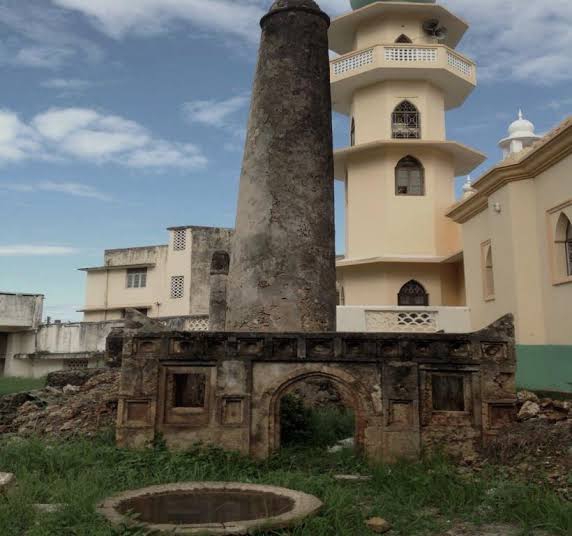
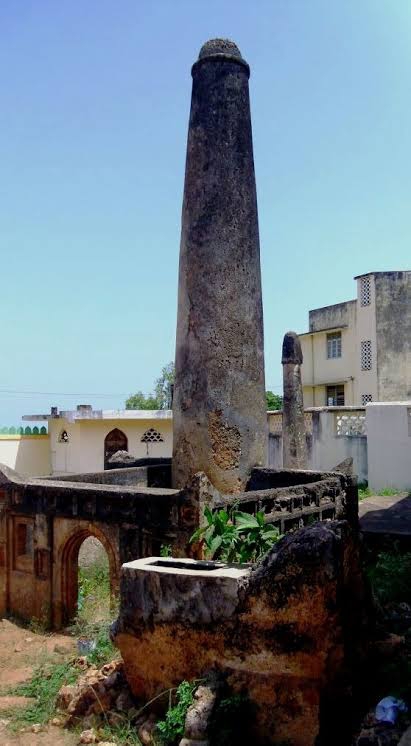
In the heart of Malindi, on Kenya’s north coast, stands a quiet but powerful relic: the Malindi Pillar Tomb. This ancient burial site, believed to date back to the 14th or 15th century, captures the essence of Swahili Islamic culture. What makes it especially unique is its towering coral stone pillar—a distinct architectural style seen along the East African coast, particularly in Muslim graves.
The tomb is believed to commemorate a prominent religious leader, perhaps a sheikh or sultan, and was likely part of a larger cemetery complex. Its architecture—a combination of coral rag construction and engraved inscriptions—demonstrates the influence of Arab and Persian traditions blended with local Swahili ingenuity.
Tourists visiting this site will notice the stark elegance of the structure. While it may not be as expansive as Fort Jesus or Gede Ruins, the Malindi Pillar Tomb whispers stories of devotion, trade, and deep spiritual roots. For those interested in Islamic history in Africa or Swahili heritage, this spot offers a quiet, reflective experience.
Tip for Visitors: Pair your visit with a walk through Malindi’s old town. Engage with locals, and if possible, hire a guide familiar with Swahili architecture and Islamic history to get deeper insight into what the pillar tomb truly represents. Early morning or late afternoon visits are best to avoid heat.
#MalindiTomb #SwahiliHeritage #KenyaHiddenGems #IslamicHistoryKenya #CoralStoneTomb #EastAfricaArchitecture #SwahiliSpirituality #MalindiHistory #HistoricMonumentsKenya #CulturalTourismKenya #KilifiCounty #SwahiliTraditions
Photo Credit: Abiri Kenya