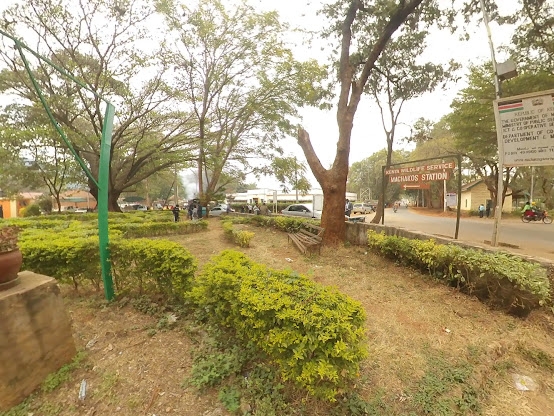
Machakos Fort – The Forgotten First Capital of Colonial Kenya
History African@africanhistory
1 year ago
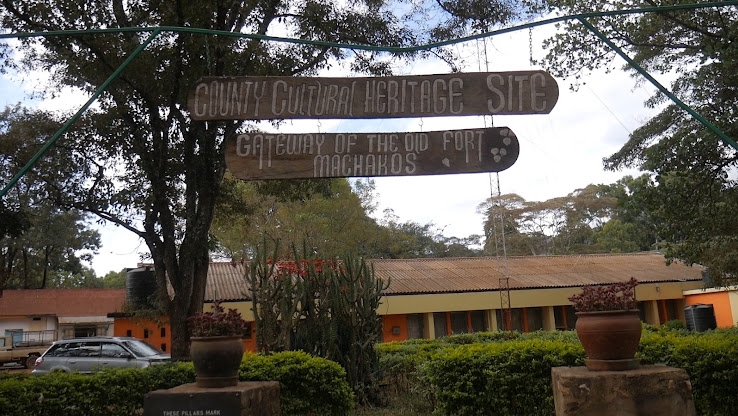
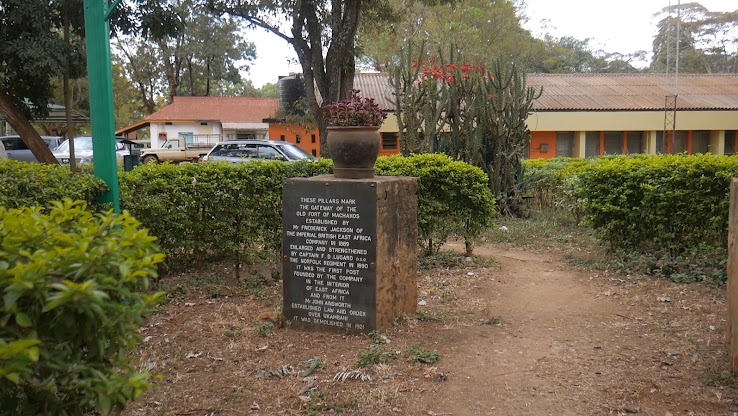
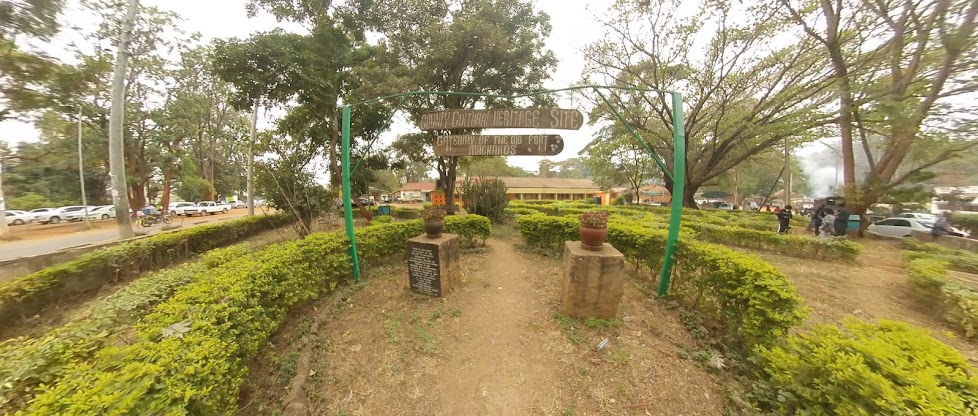
In the heart of Machakos town, adjacent to the local police station, stand two weathered stone pillars and a commemorative plaque—silent sentinels marking the entrance to what was once Fort Machakos. Established in 1889 by Frederick Jackson of the Imperial British East Africa Company, and later fortified by Frederick Lugard, this site was the first inland colonial administrative post in Kenya. From here, John Ainsworth extended British influence over the Ukambani region, laying the groundwork for colonial governance.
Machakos was poised to become the capital of British East Africa. Its strategic location made it an ideal administrative center. However, the construction of the Uganda Railway bypassed Machakos in favor of a more accessible route through the swampy plains that would become Nairobi. This decision shifted the colonial capital to Nairobi in 1899, altering the course of Kenya's urban development.
Though the fort was demolished in 1921, remnants of its legacy endure. The original mud-walled administrative building used by Ainsworth still stands, albeit in a state of disrepair. Efforts to restore the site, including plans to convert it into a museum honoring colonial and Akamba heritage, were initiated but remain incomplete. The structure's dilapidated condition underscores the challenges of preserving historical landmarks.
Visitors to Machakos can view the surviving pillars and plaque that denote the fort's former entrance. These markers offer a tangible connection to a pivotal chapter in Kenya's colonial history. The site serves as a poignant reminder of Machakos's brief tenure as the administrative heart of British East Africa and the enduring impact of colonial infrastructure decisions.
#MachakosFort #KenyaColonialHistory #FirstCapitalKenya #ImperialBritishEastAfrica #JohnAinsworth #FrederickJackson #MachakosHeritage #ColonialKenya #HistoricalLandmarks #UkambaniHistory #KenyaMuseums #PreservingHistory
Photo Credit: Wikimedia