Independence Monument: Uganda’s Triumph in Stone
History African@africanhistory
1 year ago
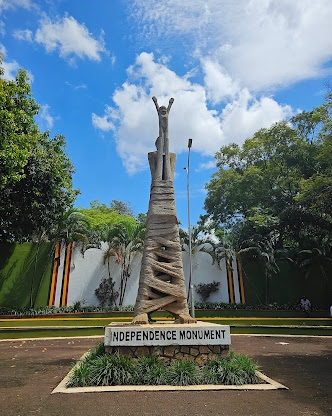
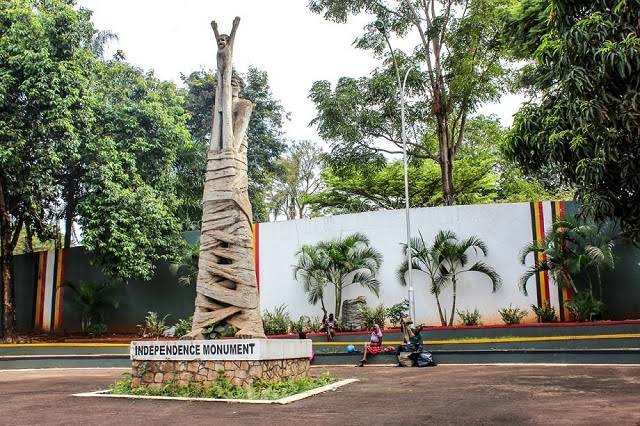
Standing proudly in the heart of Kampala, Uganda’s Independence Monument is more than just a statue—it’s a powerful symbol of the nation’s journey from colonial rule to self-determination. Located in the King George V Jubilee Gardens along Nile Avenue, this 6-meter-tall concrete sculpture was unveiled on October 8, 1962, just one day before Uganda officially gained independence from British colonial rule .
🧱 Design and Symbolism
Crafted by Kenyan sculptor Gregory Maloba, the monument depicts a mother lifting her child towards the sky, embodying hope, freedom, and the promise of a new beginning. The intertwined ropes around her legs represent the breaking of colonial chains, symbolizing Uganda’s liberation and the resilience of its people .
📍Location and Accessibility
Situated between Sheraton Kampala Hotel and Grand Imperial Hotel, the monument is easily accessible and serves as a central landmark in the city. Its location makes it a convenient stop for both locals and tourists exploring Kampala’s rich history and culture.
🧭 Visitor Tips
Best Time to Visit: Early mornings or late afternoons offer the best lighting for photography and a peaceful atmosphere.
Nearby Attractions: Combine your visit with a tour of the nearby Uganda Museum or a walk around the vibrant streets of Kampala.
Cultural Significance: Take a moment to reflect on the monument’s symbolism and the journey Uganda has undergone to achieve its current status.
The Independence Monument stands as a testament to Uganda’s resilience and the collective effort of its people in achieving independence. It serves as a reminder of the nation's past struggles and triumphs, inspiring future generations to continue building a prosperous and united Uganda.
#IndependenceMonument #UgandaHistory #KampalaLandmarks #FreedomInStone #UgandaIndependence #CulturalHeritage #KampalaAttractions #UgandaTravel #HistoricalMonuments #ExploreUganda #AfricanHistory #KampalaCityGuide
Photo Credit: Wikimedia