
I visited the Folk Museum of Indian Immigration two years ago, and honestly,...
Lewis Mckinley@mckinleylewis1131
27 days ago
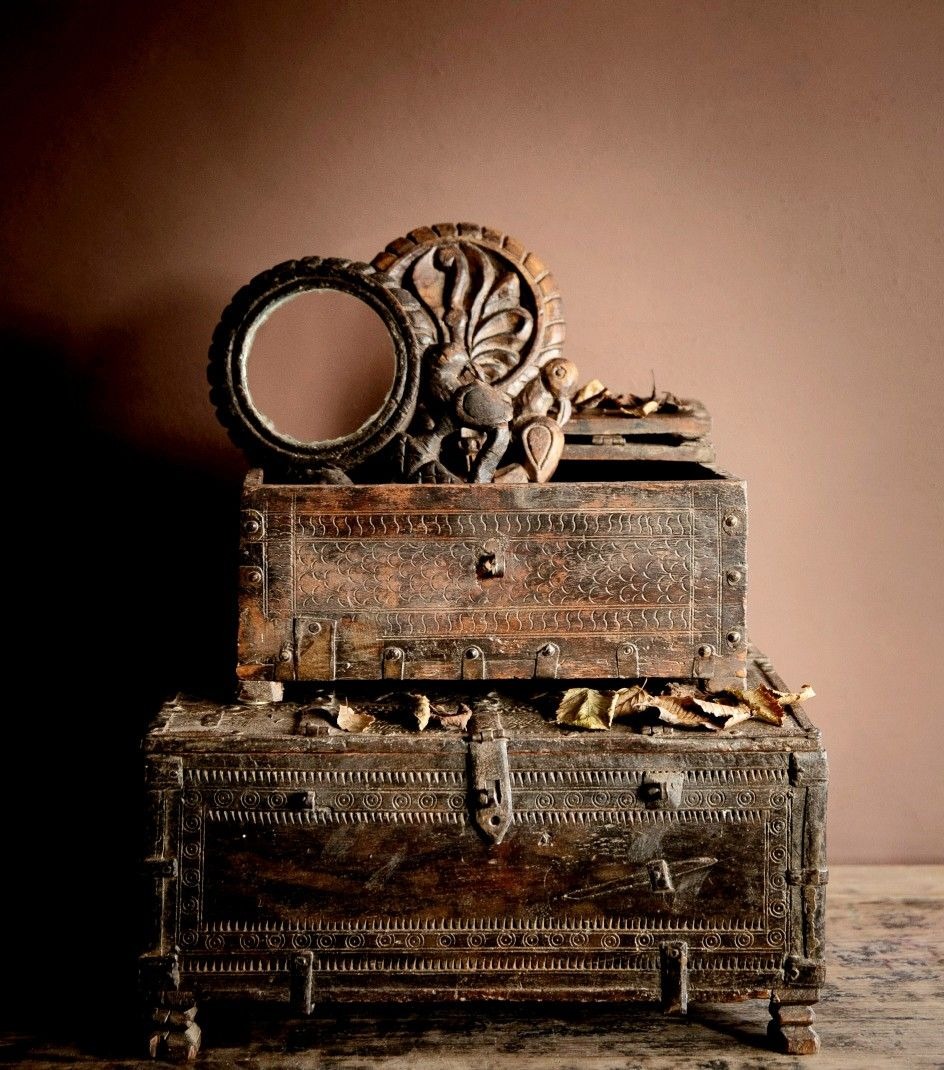
I visited the Folk Museum of Indian Immigration two years ago, and honestly, the thing that hit me hardest wasn't the big exhibits. It was the small personal objects. There's a worn wooden trunk in one corner that belonged to a woman named Laxmi who arrived in the 1870s. She had carved her name in Devanagari script on the inside lid. Standing there, I realized that for so many, that trunk was the only piece of home they ever brought with them.
What stuck with me most is how the museum connects the indentured laborer story to the present day. They have a lovely outdoor section with a small plot of sugarcane and a few mango trees. My guide explained that the first thing many immigrants did once they were free was plant mango seeds. It was their way of saying "I'm staying. This is home now." I've thought about that every time I pass a mango tree in my own neighborhood.
If you go, don't rush. Give yourself at least two hours. And talk to the curator if he's around. He told me about his grandmother who came from Bihar and could recite poems about the ship voyage even at age 95. That kind of oral history doesn't survive in books. Take notes or record audio if they allow it. These stories are vanishing.
Also bring mosquito repellent. The garden is beautiful but the bugs are aggressive.

17 days ago