
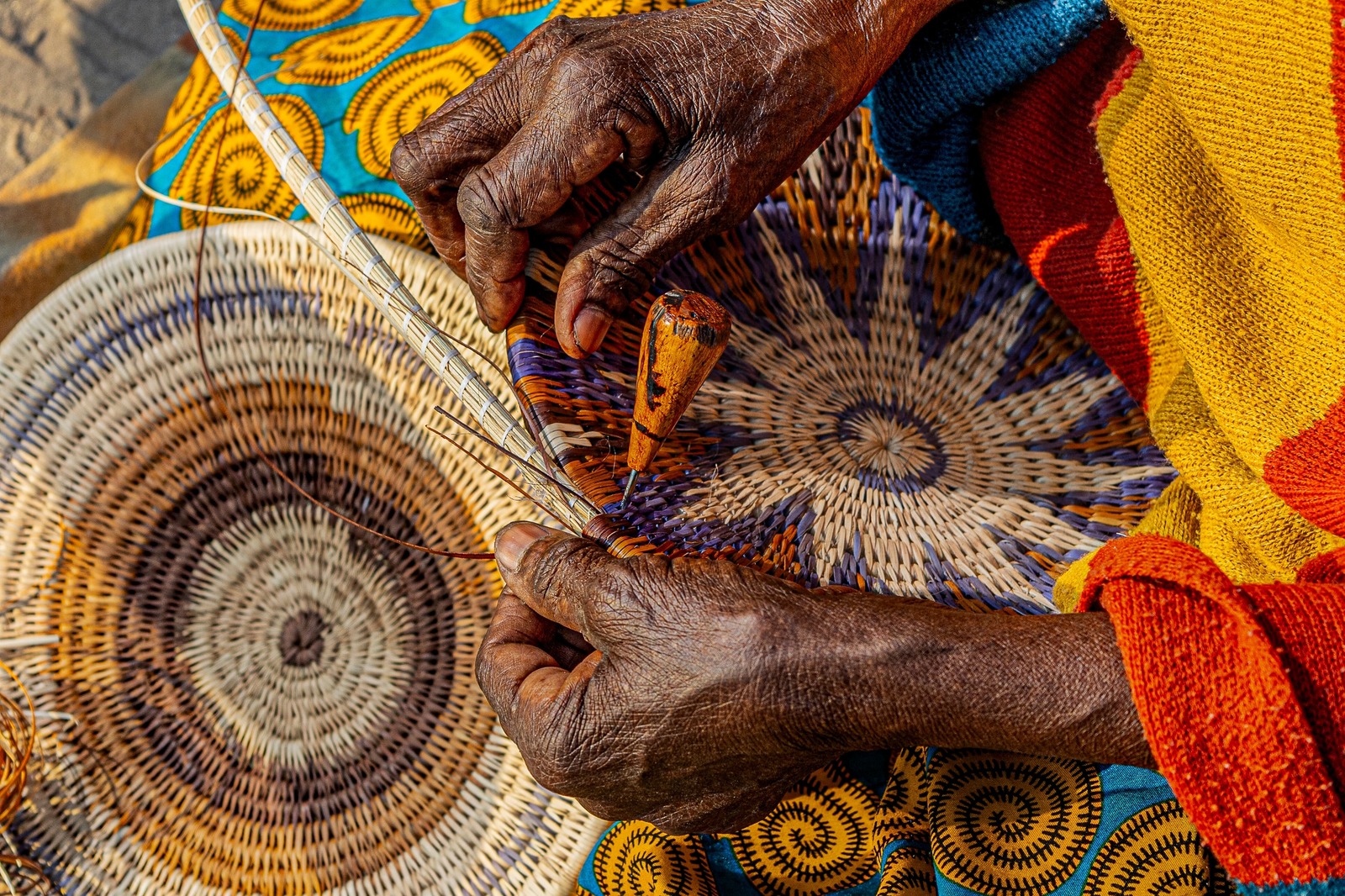
I spent a week in Etsha a few years ago and I still think about it. What...
POPOOLA precious@preciouspopoola4092
7 days ago
I spent a week in Etsha a few years ago and I still think about it. What struck me most wasn't just the stunning landscape, but how the weaving tradition ties the whole community together in a way that's really practical, not just decorative. The women there use mokola palm, which grows locally in the delta, to create those beautiful baskets you might see in galleries in Maun or Gaborone.
If you're planning to visit, here's something not everyone mentions: the best time to see the weaving in action is late morning, after the heat sets in but before the afternoon thunderstorms. The women often work in shaded clusters near the main footpaths, and they're usually happy to chat if you ask respectfully. I learned that each pattern tells a story about the weaver's life - a zigzag might mean the path of a flood, a diamond could be a baobab leaf. It's not just craft, it's a living archive of the seasons and the people.
Also, bring cash if you want to buy directly. The smaller settlements like Etsha 6 or Etsha 1 sometimes have cooperative shops, but the real deals are from the weavers themselves. Expect to pay around 500-800 pula for a medium-size basket, which is a steal considering the hours of work. Just don't haggle aggressively - this is their primary income in a place where jobs are scarce. The money goes straight back into the community, often funding school supplies or clinic visits.
Most tourists rush through on their way to Moremi Game Reserve, but slowing down in Etsha taught me more about Botswana than any safari ever did.

6 days ago