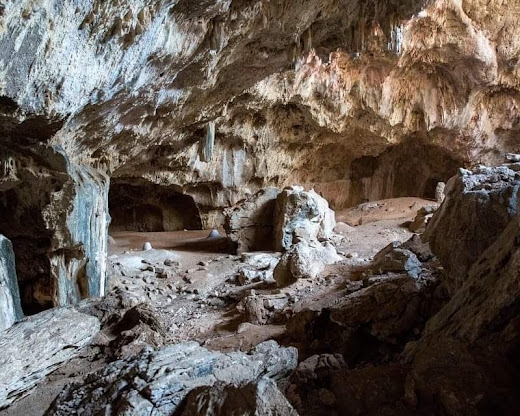
Gcwihaba Caves: Botswana’s Hidden Underground Wonder
History African@africanhistory
1 year ago
Tucked away in the remote northwestern Kalahari, Gcwihaba Caves—also known as Drotsky’s Caves—offer an extraordinary glimpse into Botswana’s natural and cultural heritage. Accessible only by 4×4 vehicles due to the challenging terrain, these caves are a haven for adventurers and nature enthusiasts seeking an off-the-beaten-path experience.
🏞️ Geological Marvels
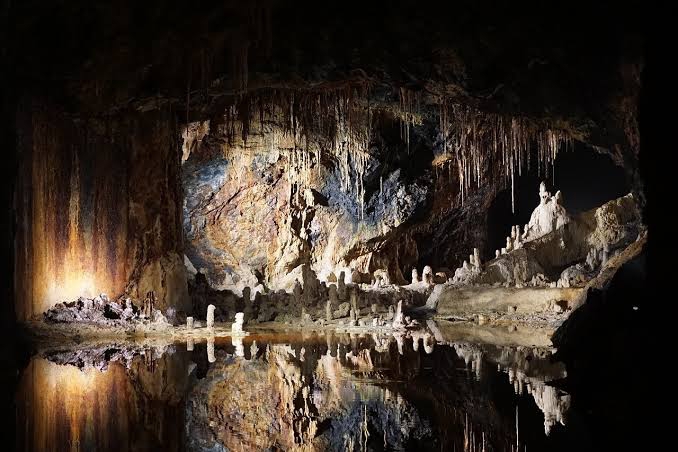
Formed over nearly three million years, Gcwihaba Caves are a series of dolomite caves renowned for their stunning speleothems. Visitors can marvel at towering stalactites and stalagmites, some reaching up to 10 meters in height, as well as delicate formations like helictites and soda straws. The caves' intricate passages and chambers, some up to 10 meters high, create a labyrinthine underground world that showcases the dynamic geological processes of the region.
---
🦇 Rich Biodiversity
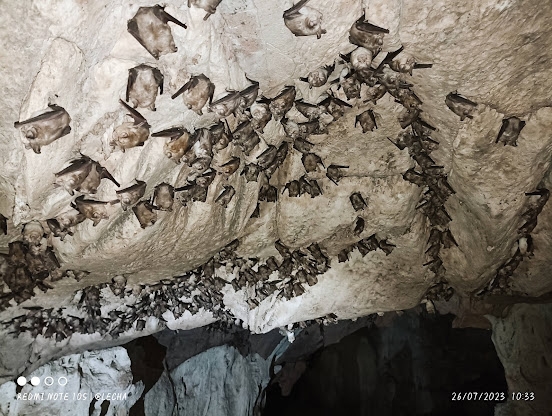
The caves are home to large colonies of bats, including Commerson’s leaf-nosed bats, Dent’s horseshoe bats, and Egyptian slit-faced bats. While harmless, these bats play a crucial role in the cave's ecosystem. The cave floor is covered with layers of bat guano, which supports a variety of invertebrates and contributes to the unique biodiversity of the area.
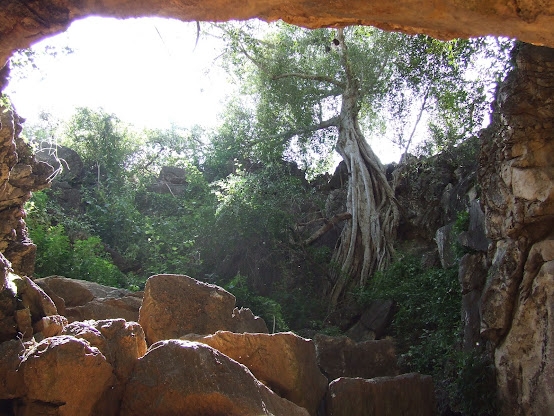
Beyond the caves, the surrounding area hosts rare flora such as the Namaqua fig and endemic aloe species. These plants have adapted to the arid environment and contribute to the region's distinctive ecosystem.
🧭 Cultural and Historical Significance
Gcwihaba Caves hold deep cultural significance for the San people, who have used the caves for shelter and spiritual purposes for thousands of years. Archaeological excavations have uncovered Late Stone Age tools, animal bones, burnt ostrich eggshells, and even a fossilized primate skull, providing insights into the prehistoric human occupation of the region.
The caves were first introduced to the Western world in 1932 by Ghanzi farmer Martinus Drotsky, who was shown the caves by the San. Since then, they have been a subject of scientific interest and are considered a potential UNESCO World Heritage Site due to their exceptional natural beauty and geological importance.
🛶 Visitor Experience
Exploring Gcwihaba Caves is an adventure in itself. The journey to the caves requires a 4×4 vehicle equipped for rough terrain. Visitors should be prepared for deep sand and mud tracks, especially during the rainy season. Once at the site, there are no developed facilities; thus, visitors should bring sufficient supplies, including water, food, and camping gear. It's advisable to arrange visits through local guides or community trusts, such as the Cgae Cgae Tlhobologo Development Trust, which can provide guidance and support.
Inside the caves, visitors can explore the vast chambers and narrow passages. It's essential to carry strong flashlights, as the caves are completely dark and unmarked. Due to the presence of bat guano, wearing protective masks is recommended to avoid exposure to potential pathogens.
📍Planning Your Visit
Location: Approximately 650 km northwest of Gaborone, near the Namibian border.
Access: Reachable via a 4×4 vehicle from Maun, passing through Tsau and following signs to the caves.
Best Time to Visit: The dry season (May to October) offers more accessible roads and comfortable temperatures.
Facilities: Basic camping sites are available; visitors should come prepared with necessary supplies.
Guides: It's recommended to hire local guides for safety and to enrich the experience with cultural insights.
Gcwihaba Caves offer a unique opportunity to delve into Botswana's natural and cultural history. Whether you're an adventure seeker, a geology enthusiast, or someone interested in the rich heritage of the San people, a visit to these caves promises an unforgettable experience.
#GcwihabaCaves #BotswanaAdventure #CavingExperience #SanHeritage #GeologicalWonders #OffTheBeatenPath #NatureExploration #CulturalHeritage #WildlifeBiodiversity #UNESCOWorldHeritage #TravelBotswana #ExploreAfrica
Photo Credit: Merus