Exploring the Arochukwu Long Juju Slave Route
History African@africanhistory
1 year ago
The Arochukwu Long Juju Slave Route, located in Arochukwu, Abia State, Nigeria, stands as a testament to a complex and often tragic chapter of African history intertwined with spiritual and cultural significance. This route, famously known as the "Trail of No Return," was central to the transatlantic slave trade, particularly during the reign of the Aro Confederacy in the 18th and 19th centuries.
Historical Significance:
Ibini Ukpabi: Often referred to as the Long Juju, this oracle was a pivotal element in the region's judicial system, where it was believed to dispense divine justice. The guilty were often sentenced to slavery or death, while the innocent were acquitted.
Slave Trade Operations: The Aro people used the Long Juju to control the slave trade, with the oracle's judgments serving as a means to capture and sell individuals into slavery. The route connected the hinterlands to the coast, with key ports like Bonny and Calabar.
Key Attractions:
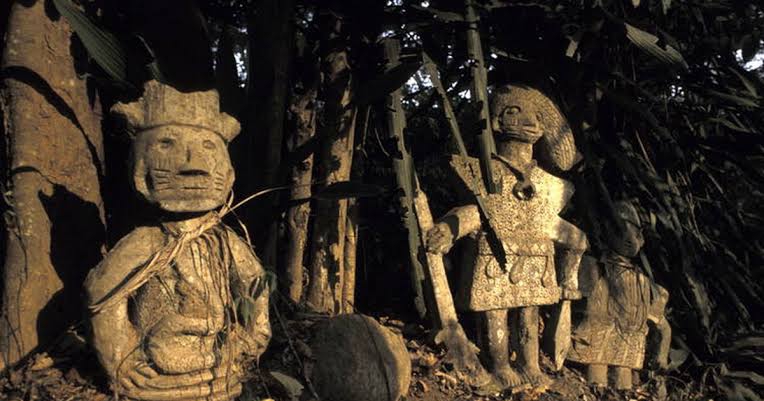
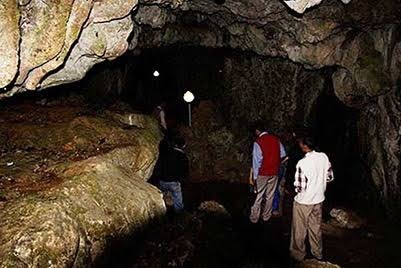
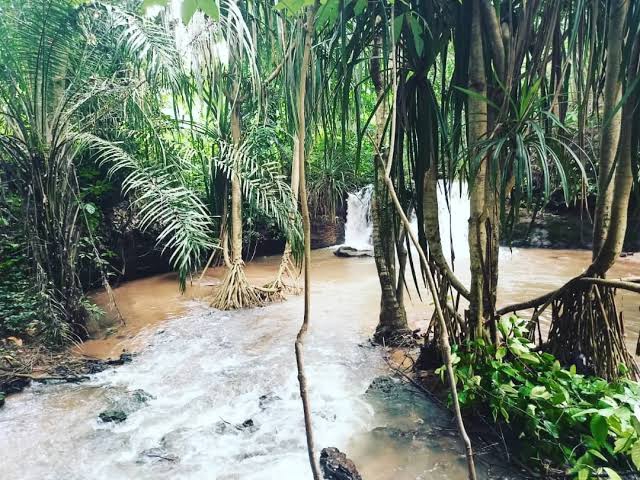
The Shrine Complex: This includes the sacred altar, a six-foot gully leading to the temple, and the waterfall, all part of the Long Juju Slave Route. The shrine's features like the 'Throne of Judgment,' the 'Tunnel of Disappearance,' and the 'Red River' are both haunting and awe-inspiring.
Cultural Heritage: The site is not just a reminder of the slave trade but also of the intricate Igbo system of justice and spirituality. The Long Juju was revered for its mystical powers, influencing not just Arochukwu but much of Igboland.
Tourist Experience:
Visiting Tips: The best time to visit is during the dry season (November to March) for better accessibility and weather. Dress modestly, respect local customs, and consider hiring a knowledgeable local guide for a deeper understanding.
Environmental Considerations: Be prepared for rugged terrain; wear sturdy shoes, carry water, and be mindful of the environment to help preserve this historical site.
Conservation Efforts: There are ongoing efforts to preserve this site from environmental degradation and to educate visitors about its historical and cultural importance. Local and international initiatives focus on managing tourism to ensure the site's longevity.
Educational Value: Today, it serves as an educational hub where visitors can learn about the impact of the slave trade, the power of traditional African religions, and the resilience of the Igbo culture.
Arochukwu itself is a town rich in history, with the Aro people known for their wide influence through trade, religion, and politics. The Long Juju route is a poignant reminder of how deeply the slave trade affected social structures and spiritual beliefs.
The Arochukwu Long Juju Slave Route offers more than just a historical tour; it's a journey into the heart of African heritage, showcasing the complexities of human history, culture, and resilience. It's a site that invites contemplation about past injustices while celebrating the enduring spirit of the people who lived through those times.
#Arochukwu #LongJuju #SlaveRoute #AfricanHistory #IgboCulture #TourismNigeria #HistoricalSites #CulturalHeritage #SlaveTradeHistory #TravelNigeria #EducationalTravel #SpiritualJourney
Photo Credit: Rex Clarke Adventure