All You Need to Know About Prempeh II Jubilee Museum Before You Visit
History African@africanhistory
1 year ago
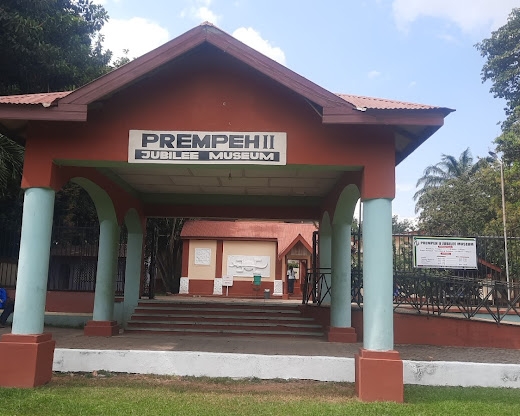
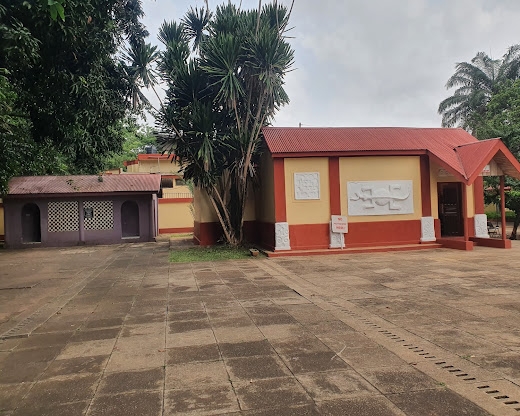
The Prempeh II Jubilee Museum, located within the Kumasi Cultural Centre in the Ashanti Region, is a historical and cultural treasure dedicated to the legacy of the Ashanti Kingdom. Named after Otumfuo Sir Osei Agyeman Prempeh II, the 14th Asantehene (King of the Ashanti), the museum was established in 1954 to preserve and showcase the rich history, traditions, and royal regalia of the Ashanti people.
This museum offers an intimate look into the Ashanti monarchy, its governance structure, and the resilience of the Ashanti Empire through colonial struggles and beyond. The exhibits housed within the museum provide visitors with an educational and immersive experience, making it a must-visit destination for history enthusiasts and cultural tourists alike.
What to Expect at the Museum
The Prempeh II Jubilee Museum is home to a remarkable collection of artifacts that reflect the power and influence of the Ashanti Kingdom. Visitors can expect to see a variety of royal items, including:
- The ceremonial attire of Prempeh II, including his rich Kente cloth and traditional sandals.
- Golden artifacts, including jewelry, ceremonial swords, and stools used in royal rituals.
- A life-sized effigy of Prempeh II, providing a visual representation of the revered king.
- The original Okomfo Anokye’s bronze war mask, linked to the legendary Ashanti priest and military strategist.
- Ancient relics and traditional war gear, used by Ashanti warriors during historical battles.
The museum also details the struggles of the Ashanti people against British colonial rule, highlighting key historical events such as the Sagrenti War of 1874, the Yaa Asantewaa War of 1900, and the exile of Prempeh I. Through carefully preserved artifacts and storytelling, visitors can gain a deep understanding of Ashanti resistance, diplomacy, and cultural resilience.
Why You Should Visit
The Prempeh II Jubilee Museum offers a unique opportunity to explore the heart of Ashanti tradition and royal heritage. It is an excellent destination for tourists seeking a deeper appreciation of Ghana’s cultural history and the significance of the Ashanti Kingdom in shaping the nation’s identity.
A visit to this museum provides firsthand exposure to the symbols of Ashanti power, including the famous Golden Stool, which represents the soul of the Ashanti people. The museum also provides historical context on the intricate role of the Asantehene and the customs that continue to define Ashanti governance today.
For those passionate about African history and indigenous leadership, the museum serves as an informative resource that celebrates the endurance and strength of one of West Africa’s most powerful kingdoms.
Tips for Visiting
- Best Time to Visit: The museum is best visited in the morning or early afternoon when it is less crowded, allowing for an immersive experience.
- Guided Tours: Opting for a guided tour is highly recommended, as it provides valuable historical insights into the significance of each exhibit.
- Cultural Respect: Since the museum holds items of great cultural and spiritual importance, visitors should approach the exhibits with respect.
- No Photography: Some artifacts, especially those of spiritual significance, may have photography restrictions. Always ask for permission before taking pictures.
- Pair Your Visit: The museum is located within the Kumasi Cultural Centre, where visitors can also explore art galleries, craft shops, and traditional performances to enrich their cultural experience.
#PrempehIIJubileeMuseum
#AshantiKingdom
#GhanaianHeritage
#VisitKumasi
#ExploreGhana
#CulturalTourism
#AfricanHistory
#AsanteheneLegacy
#GoldenStool
#TraditionalCulture
#GhanaMuseums
#AshantiHistory
Photo Credit: Tortoise path