Trump’s Misguided View on Nigeria: Religion Is Not the Problem—Terrorism Is —By Mal. Ibrahim M. Nura
Potiskum LGA Eyes@muhammadnuraibrahim848393
1 month ago
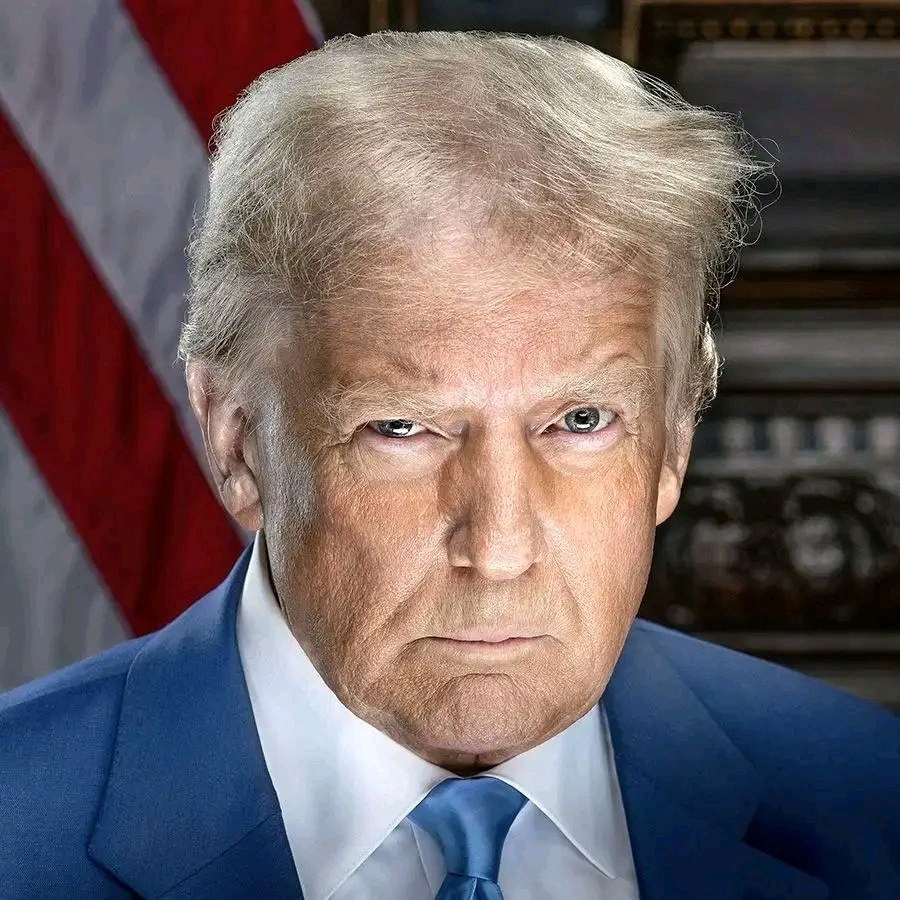
When U.S. President Donald Trump recently claimed that the violence in Nigeria poses an “existential threat to Christians,” his statement may have sounded like a defense of faith. But in truth, it reveals how deeply misunderstood Nigeria remains on the global stage—and how such narratives risk distorting both perception and policy.
Nigeria’s problem is not religion—it is terrorism, armed banditry, and poverty. The violence ravaging parts of the country is not about Christians versus Muslims; it is about criminals, insurgents, and extremists exploiting weak institutions and social inequalities. By framing Nigeria’s insecurity as “religious persecution,” Mr. Trump overlooks the realities that Nigerians live with every day and unfairly portrays a diverse, resilient nation as one defined by sectarian conflict.
The painful truth is that both Muslims and Christians have suffered equally from terrorism. From the Northeast to the Middle Belt, no faith group has been spared. Villages have been destroyed, schools attacked, and places of worship bombed—whether mosque or church. The victims are Nigerians, not representatives of opposing religions.
Such mischaracterizations are not harmless. When they come from influential global figures, they shape international opinion, fuel dangerous narratives, and risk deepening divisions that Nigerians themselves are working tirelessly to bridge. Mr. Trump’s words, though perhaps made in good faith, lend unintended legitimacy to extremist propaganda that seeks to present the crisis as a holy war—a falsehood that only strengthens the hands of those who profit from fear and chaos.
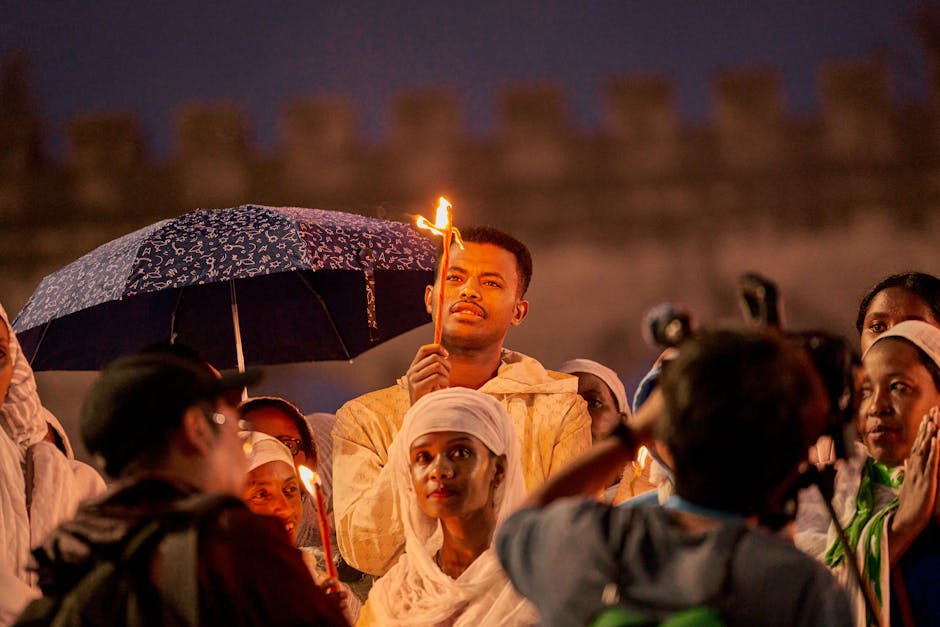
What the U.S. president and many others outside Nigeria fail to see is the everyday reality of peaceful coexistence that defines much of the country. Across cities and towns, mosques and churches often share walls. In markets, Christians and Muslims do business together without suspicion. In many families, interfaith marriages are common, and children grow up learning that unity is stronger than difference. That is the Nigeria that rarely makes global headlines—the Nigeria of quiet tolerance and shared humanity.
By focusing on religion, Mr. Trump and others miss the true sources of Nigeria’s insecurity. The crisis is rooted in poverty, unemployment, environmental degradation, and the long-standing neglect of the Sahel region. Young people without opportunities are easy prey for extremist groups that promise money or purpose. Bandits exploit porous borders and weak governance structures to wreak havoc. These are the issues that require international partnership and investment—not sensational claims about religious war.
To its credit, the Nigerian government has responded to such mischaracterizations with calm and diplomacy. Instead of confrontation, it continues to engage partners like the United States through frameworks that emphasize counterterrorism, peacebuilding, and socioeconomic development. This is the essence of responsible diplomacy—choosing dialogue over anger and engagement over isolation.
Nigeria does not deny the seriousness of its security challenges. What it rejects, and rightly so, is the attempt to define those challenges through the prism of religion. To do so undermines both the truth and the efforts of millions of Nigerians who, despite adversity, continue to work for peace in their communities.
True friends of Nigeria should support this struggle in practical ways—by investing in education, strengthening local governance, and creating jobs that offer alternatives to violence. Divisive rhetoric from abroad does not help. What helps is a partnership built on mutual respect and understanding of the nation’s unique context.
Nigeria stands today as a democracy under extraordinary strain but remarkable endurance. It has weathered decades of military rule, civil war, and insurgency, yet continues to hold elections, transition power, and maintain its unity across religious and ethnic lines. This alone deserves recognition, not reduction to a simplistic story of persecution.
Mr. Trump’s comments may resonate with certain audiences, but they do nothing to advance peace or support the victims of violence. Instead, they risk alienating a key African ally in the global fight against terrorism and feeding false perceptions that complicate international cooperation.
The world must come to terms with a simple fact: Nigeria’s battle is not between Christianity and Islam—it is between peace and terror, progress and poverty, stability and chaos. The sooner this is understood, the faster genuine solutions can be built.
Nigeria does not ask for sympathy. It asks for fairness and partnership. Its people are not passive victims of some religious war; they are active builders of peace, working every day to bridge divides and rebuild lives.
In the end, Nigeria’s story is not one of persecution but of perseverance. And in that perseverance lies the enduring hope of a united, peaceful, and progressive nation—a hope that deserves to be understood, not misrepresented.






























1 month ago

1 month ago

1 month ago
28 days ago

27 days ago

25 days ago
16 days ago
13 days ago
10 days ago