Stgeorge Lauryn
@laurynstgeorge258
6 days ago
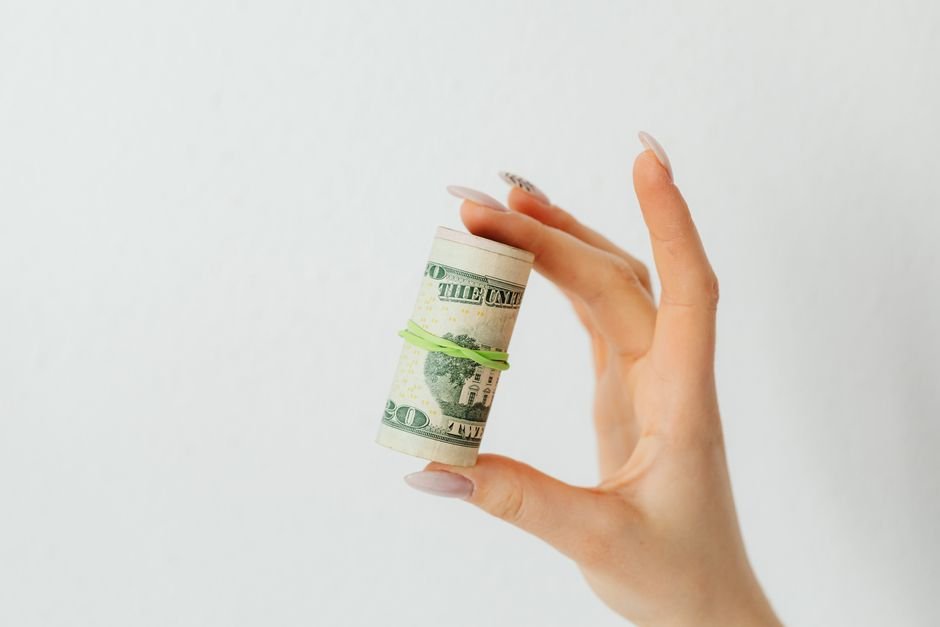
The money arrived as a notification on my phone, a quiet ping that felt louder than any applause I had ever heard. It was $47.50. For a 30-second poem I had performed at an open mic in a converted garage in Nairobi, recorded on a friend's phone, and uploaded to a tiny platform that paid per stream. That first paycheck from my art felt like a betrayal of everything I had been told.
Growing up in South Africa, we were taught that art was a side thing, a hobby for Sundays after church. My mother, a nurse who worked double shifts in Cape Town, would look at my notebooks filled with verses about Table Mountain and the Atlantic seaboard and say, "That is beautiful, my child. Now, what will you do for real work?" I internalized that. For years, I built a resume of "real work": barista, warehouse assistant, even a brief stint in agricultural photography for a farm in the Free State that paid in vegetables and diesel. I was documenting the land, the red dust, the stooped backs of harvesters, but I never called it art. I called it survival.
When the $47.50 arrived, I was sitting in a cramped flat in Joburg, editing a short film about a street musician in Hillbrow. The film was my love letter to a corner of the city that most people speed through. I had used a cheap microphone and a borrowed camera. The audio was full of traffic and the hum of a generator. But the poem in that recording was about my grandmother's hands, how they kneaded dough and smoothed my hair and held the Bible. The paycheck was for that image.
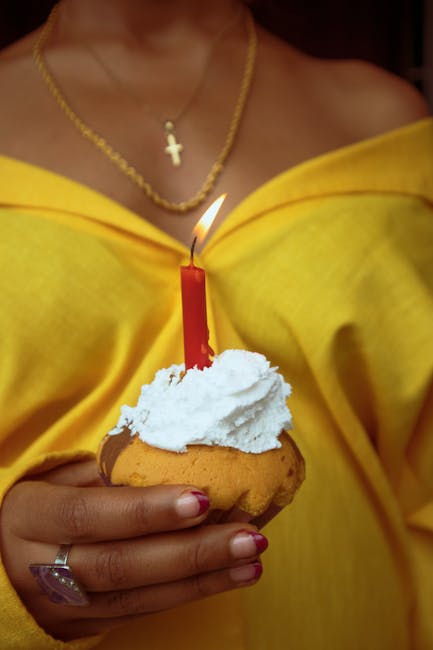
I did not spend the money on rent. I took it to a small tailor in Soweto who makes custom shirts from vintage kitenge fabrics. I had him make a shirt with a high collar and wide sleeves, what some people call African-inspired but what I call my armor. That shirt became my uniform for every open mic and every festival I could get into. It was not just fabric. It was a receipt. Proof that someone, somewhere, had valued my voice enough to trade money for it. That shirt is now frayed at the cuffs, but I still wear it to every reading. It reminds me that the first yes is the hardest one.
That first check unlocked something more dangerous than money. It unlocked permission. Permission to buy a better microphone. Permission to book a flight to Mombasa for a poetry festival, even though I had to stay in a homestay that doubled as a chicken coop. Permission to say, "I am a filmmaker and a poet," without flinching. The money was tiny, but the shift was seismic. It meant I could stop apologizing for the hours I spent writing in notebooks, for the way I saw the world in stanzas and frames. It meant that when people asked, "But what do you do?" I could answer with pride.
Now, when I walk through the amphitheatre at the National Arts Festival in Grahamstown, or film the orange light over Cape Town's Twelve Apostles at sunset, I remember that $47.50. I remember that art paid me before any bank did. And I learned that the most radical thing you can do as an artist is to let the work pay you, even if it starts with a single dollar and a song about your grandmother's hands.
#amphitheatre #traveltipskenya #nirclepoetrycommnunity #southafricanlandscapes #filmmaking #agriculturalphoto #capetowntravel #communityofpoet #wears #flightbooking #Notes #firstpaycheck